You pick up two bottles of batana oil. Same name on the label. Very different price points. One is a deep, reddish-brown color with a rich, earthy scent. The other is pale, nearly odorless, and oddly thin. You wonder — are these actually the same thing?
They’re not. And the reason comes down to one thing: how the oil was extracted.
Cold-pressed batana oil and heat-processed batana oil might come from the same nut, but what survives the journey into that bottle is worlds apart. The extraction method isn’t just a technical detail — it determines whether the oil you’re putting on your hair is still alive with nutrients or has been stripped down to a nutritional shadow of itself.
If you’ve been curious about what “cold-pressed” actually means, why it matters, and how to know if you’re getting the real thing, you’re in the right place. By the end of this post, you’ll understand exactly what the cold-pressing process protects, what heat extraction destroys, and why it makes such a tangible difference for your hair and scalp.
What Is Cold Pressing?
How Is Cold-Pressed Oil Actually Made?
Think about squeezing an orange. When you press a fresh orange, you get bright, flavorful juice full of vitamin C and natural enzymes. Now imagine boiling that same orange in water and skimming off whatever rises to the surface. You’d get something — but it wouldn’t be the same thing, would it?
That’s essentially the difference between cold pressing and heat extraction.
Cold pressing is a heat-free extraction method where the raw material — in this case, the nut of the American oil palm (Elaeis oleifera), which is the source of traditional Honduran batana oil — is mechanically pressed to squeeze out its natural oils. No heat is applied. No chemical solvents are introduced. The oil flows out in its most natural, unaltered state.
The term “cold-pressed” means the temperature during extraction stays below a threshold (typically around 49°C or 120°F) that would begin degrading heat-sensitive nutrients. Some artisan producers press at even lower temperatures, which is exactly what the Miskito people of Honduras have done for generations using traditional methods.
This process is slower, yields less oil per batch, and takes more care. That’s part of why cold-pressed oil quality tends to command a higher price — and why it’s worth it.
What Heat Extraction Destroys in Oil
What Happens When You Heat Batana Oil During Extraction?
Here’s the uncomfortable truth about most commercially processed oils: heat is a shortcut. It makes oil flow faster, increases yield, and speeds up production. But that efficiency comes at a real cost to the oil’s nutritional profile.
When batana oil — or any nutrient-rich oil — is exposed to high heat during processing, the molecules that make it valuable begin to break down. Fat-soluble vitamins degrade. Antioxidants oxidize. Delicate fatty acids are altered or destroyed. The natural pigments that give pure batana oil its distinctive color fade. Even the scent — that earthy, smoky signature — gets cooked away.
Here’s a quick breakdown of what high-heat and chemical extraction can damage or destroy:
- Tocopherols (Vitamin E) — heat-sensitive and among the first nutrients to degrade
- Beta-carotene — responsible for the deep reddish color; breaks down rapidly under heat
- Oleic acid structure — the integrity of these fatty acids can be compromised
- Natural antioxidants — oxidized during heating, reducing their protective capacity
- Phytosterols — bioactive compounds that are altered by high-temperature processing
What you’re often left with after heavy processing is a refined, deodorized, and bleached oil that’s relatively inert. It might moisturize on a surface level, but it’s no longer doing the deeper work that pure batana oil in its raw form can do.
What Cold-Pressing Preserves in Batana Oil
The Nutrients Cold-Pressed Batana Oil Keeps Intact
This is where things get genuinely exciting — because cold-pressed batana oil is one of the most nutrient-dense hair oils available, when it’s properly extracted.
Here’s what you’re actually getting when you choose a raw, cold-pressed version:
Oleic Acid (Omega-9 Fatty Acid)
Oleic acid is the dominant fatty acid in batana oil, and it’s a powerhouse for hair. It penetrates the hair shaft deeply rather than just coating the surface, which means it delivers moisture where your hair actually needs it. It also helps soften the scalp and reduce transepidermal water loss — meaning your hair holds onto hydration longer.
Tocopherols (Vitamin E)
Vitamin E is one of the most important antioxidants for scalp health. It neutralizes free radicals that can damage hair follicles, supports healthy circulation to the scalp, and helps create the right environment for stronger hair growth. Cold pressing keeps tocopherols intact — heat processing largely destroys them.
Beta-Carotene (Pro-Vitamin A)
That stunning deep reddish-brown color you see in genuine raw batana oil? That’s beta-carotene. Your body converts it to Vitamin A, which plays a critical role in sebum production — your scalp’s natural conditioning system. Beta-carotene also gives the oil its antioxidant properties and contributes to a healthy scalp environment.
Phytosterols
These plant-based compounds help condition the scalp, reduce inflammation, and support the outer layer of the skin (and scalp). They’re associated with strengthening hair’s surface structure, which can reduce breakage and improve texture over time.
Natural Antioxidants
Beyond Vitamin E, cold-pressed batana oil contains a broader spectrum of antioxidant compounds that protect both the oil itself from going rancid and your hair from environmental stressors like UV exposure and pollution.
And then there are the sensory signals of quality: that dark reddish-brown color and that distinctively earthy, smoky, nutty scent. These aren’t marketing flourishes — they’re signs that beta-carotene and volatile aromatic compounds are still present and intact. If your batana oil is pale and odorless, those nutrients have already been cooked out.
[Internal Link: Learn more about the traditional origins of batana oil and how the Miskito people of Honduras have used it for generations]
How This Translates to Real Hair Benefits
What Cold-Pressed Batana Oil Actually Does for Your Hair
Let me paint you a picture. Imagine someone who’s been heat-styling her hair for years — blow dryer in the morning, flat iron on weekends, highlights every few months. Her ends are brittle. Her scalp feels tight and dry. She’s noticed more hair in her brush than usual.
She starts using cold-pressed batana oil twice a week as a pre-shampoo treatment. Within a few weeks, her hair feels different — less like straw, more like… hair. The kind of hair that moves.
That’s not magic. That’s the nutrients doing their job.
Here’s how the preserved compounds in batana oil for hair translate into real, visible results:
Deep Moisture Without the Grease
Because oleic acid penetrates the hair shaft rather than sitting on top of it, cold-pressed batana oil moisturizes from the inside out. Used correctly (and a little goes a long way), it doesn’t leave that heavy, weighed-down feeling that some oils do.
Stronger Hair, Less Breakage
The combination of fatty acids and phytosterols works to reinforce the hair’s structure over time. Regular use can mean noticeably less breakage — especially for those with fine, fragile, or chemically treated hair.
Scalp Nourishment and a Healthier Growth Environment
Vitamin E and beta-carotene work together to support scalp nourishment at the follicle level. A healthy scalp is the foundation of healthy hair growth — and these nutrients help maintain it. Think of it as tending the soil before you expect a garden to grow.
Shine and Smoothness
The oleic acid content helps smooth the hair cuticle, which is what creates that glossy, light-reflective shine. It also reduces frizz by sealing the cuticle against humidity.
Repair for Damaged Hair
Whether your hair has been damaged by heat, color, or just the general stress of life, the antioxidants in cold-pressed batana oil help protect against further damage while supporting the hair’s natural repair processes. It’s especially beneficial as a restorative treatment for oil for damaged hair.
How to Spot Genuine Cold-Pressed Batana Oil
How to Tell if Your Batana Oil Is Truly Cold-Pressed
Not all products labeled “batana oil” are created equal — and now that you know what to look for, you’ll be a much smarter buyer.
Here are the signs of a genuinely high-quality, cold-pressed oil:
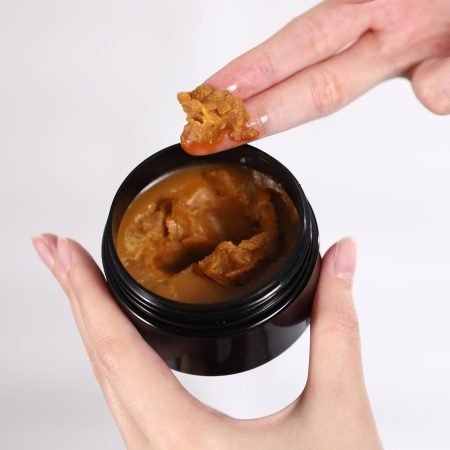
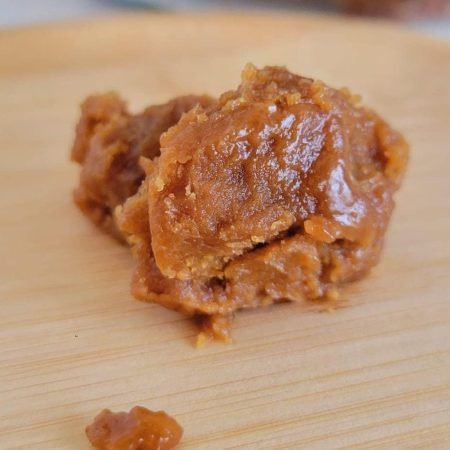
Color: Authentic cold-pressed batana oil is deep reddish-brown to dark amber in color. If the oil is pale yellow or nearly clear, it has almost certainly been refined and the beta-carotene has been stripped away.
Scent: Expect a rich, smoky, earthy, slightly nutty aroma. It’s distinctive and strong. Some people love it immediately; others take a little getting used to. Either way, the smell means the volatile compounds are still present — which is a good thing.
Label Language: Look for terms like “cold-pressed,” “raw,” or “unrefined” on the label. These aren’t just marketing words when a brand is being transparent — they indicate the extraction method used.
Ingredients List: Batana oil should have one ingredient: Elaeis oleifera oil (or American oil palm oil). No added fragrances, no fillers, no mineral oils.
Origin: Traditional, Honduran batana oil is wild-harvested from the American oil palm by the Miskito indigenous communities. If a brand can tell you where their oil comes from, that’s a sign they care about traceability and authenticity.
At raw batana oil, the batana oil is 100% pure, cold-pressed, and sourced directly from Honduras — so you know exactly what you’re getting and where it comes from.
Frequently Asked Questions
Q: Is cold-pressed batana oil better than refined batana oil?
Yes — significantly. Refined batana oil has been processed using heat and often chemical solvents, which destroys or degrades the vitamins, fatty acids, antioxidants, and phytosterols that make batana oil effective for hair and scalp health. Cold-pressed batana oil retains these nutrients in their natural, bioavailable form, which means your hair actually benefits from them.
Q: Why does cold-pressed batana oil have such a strong smell?
That strong, earthy, smoky scent is a direct result of the cold-pressing process preserving the oil’s natural aromatic compounds. It’s a sign of purity, not a flaw. Refined oils are often deodorized specifically to remove this smell — but that deodorization process also removes beneficial nutrients. Many people find the scent fades significantly once the oil absorbs into the hair.
Q: Can cold-pressed batana oil be used on all hair types?
Absolutely. While it’s particularly celebrated for its benefits on thick, coarse, curly, or damaged hair, cold-pressed batana oil can be adapted for most hair types. If you have fine hair, simply use a smaller amount and apply it as a pre-shampoo treatment rather than a leave-in, so it doesn’t weigh your hair down.
Q: How often should I use cold-pressed batana oil on my hair?
For most people, using it 1–3 times per week as a pre-shampoo mask or overnight treatment delivers the best results. You can apply it to dry hair from roots to ends, leave it for at least 30 minutes (or overnight for deeper conditioning), then shampoo as normal. Consistency over time is where the real transformation happens.





One comment
Pingback:
Miskito People Hair Secret: The Ancient Batana Oil Tradition