You ordered batana oil after reading about it everywhere. The reviews were glowing. The promises were compelling. But when the package arrived and you unscrewed the cap, something felt off.
The oil was pale. Almost yellow. Barely any scent. Nothing like the rich, dark oil you’d seen in photos from people who swore it transformed their hair.
So now you’re wondering: Is this actually batana oil? Or did I just buy something that shares the name but nothing else?
You’re not being paranoid. This is one of the most common and most frustrating experiences in the natural haircare space — and it happens because the market for exotic oils has gotten crowded with refined, diluted, and sometimes outright mislabeled products.
The good news? Authentic batana oil has very specific, easy-to-recognize characteristics. Color is one of the most immediate and reliable ones. Once you know what you’re looking for, you’ll never be fooled again.
This guide will walk you through exactly what authentic batana oil color looks like, why it looks that way, what causes oils to lose that color, and how to use your eyes — and nose — to verify quality before you apply a single drop to your hair.
First, Where Does Batana Oil Actually Come From?
Before we talk about color, it helps to understand where this oil originates — because the source directly explains why it looks the way it does.
Batana oil comes from the nut of the American oil palm (Elaeis oleifera), a tree that grows abundantly in the rainforests of Central America, particularly in Honduras. For centuries, the Miskito people of the Honduran Mosquito Coast have extracted this oil using traditional methods — harvesting the nuts by hand, processing them slowly, and using the resulting oil as a cornerstone of their hair and skin care rituals.
The Miskito call it “oil of the turtle,” and the women of these communities are widely known for their remarkably thick, long, lustrous hair. Many attribute this directly to their consistent use of batana oil.
Traditional extraction is a slow, careful process — and it produces an oil that looks nothing like the refined, commercial versions flooding the market today. The color difference between the two isn’t subtle. It’s dramatic. And it tells you almost everything you need to know about what’s inside the bottle.
So, What Color Is Authentic Batana Oil?
The Real Answer: Deep Reddish-Brown to Dark Amber
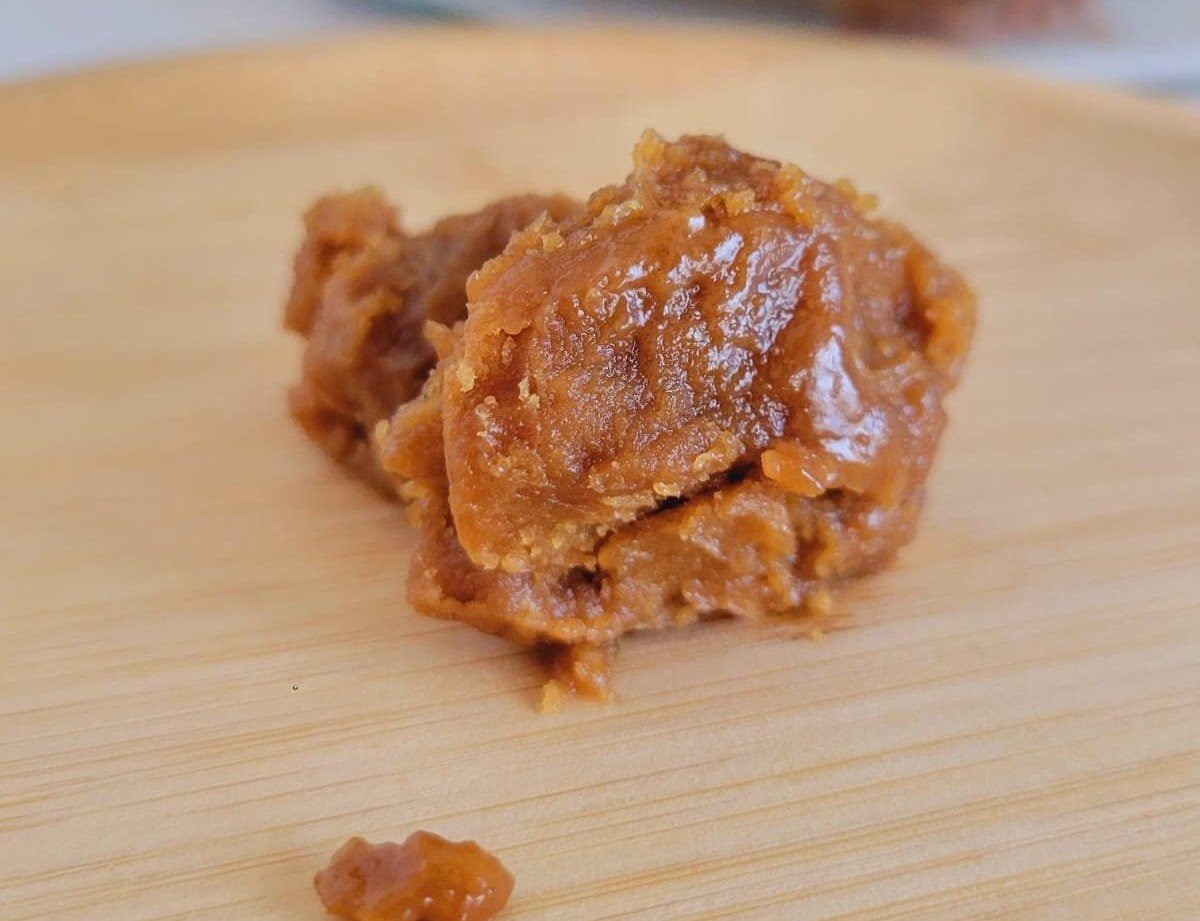
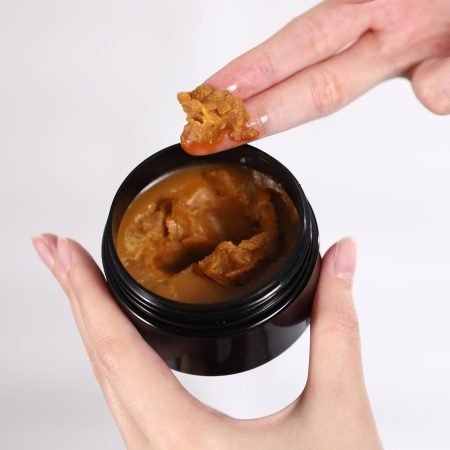
Genuine, raw, cold-pressed batana oil is a rich, deep reddish-brown color — sometimes described as dark amber, mahogany, or even resembling strong black tea or molasses when held up to light.
It is dark. Noticeably so.
When you pour a small amount onto your palm, it may leave a faint reddish or orange tint on your skin — particularly if you have fair or light skin tones. This isn’t a stain that won’t wash off; it’s simply the natural pigment in the oil interacting temporarily with your skin. It rinses away cleanly.
The color can vary slightly depending on the harvest season, the specific region in Honduras where the nuts were sourced, and minor differences in the traditional pressing process. But the consistent, non-negotiable characteristic of authentic batana oil color is that it is always dark and richly pigmented — never pale, clear, or light yellow.
If your batana oil looks like vegetable oil or a light-colored carrier oil, something has gone wrong in the processing — or it isn’t pure batana oil at all.
Why Is Authentic Batana Oil That Dark Color?
It’s All About Beta-Carotene
That deep reddish-brown color isn’t random. It comes directly from beta-carotene, a naturally occurring carotenoid pigment found in high concentrations in the American oil palm nut.
Beta-carotene is the same compound that gives carrots their orange color and sweet potatoes their golden hue. In batana oil, it’s present in significant amounts — and it’s responsible for both the color and a meaningful portion of the oil’s nutritional value.
Your body converts beta-carotene into Vitamin A, which plays a key role in sebum production — your scalp’s natural moisturizing system. It’s also a potent antioxidant that helps protect hair follicles from oxidative stress and environmental damage.
Here’s the critical thing to understand: beta-carotene is heat-sensitive.
When batana oil is processed using high heat — or subjected to bleaching and deodorizing processes common in commercial oil refining — the beta-carotene breaks down. The color fades. The oil becomes lighter. And with that color loss comes a direct loss of nutritional potency.
So when you see a pale batana oil, you’re not just seeing a cosmetic difference. You’re seeing evidence that one of its most valuable compounds has already been destroyed.
What Other Visual Clues Tell You the Oil Is Real?
Color Is Just the Beginning
Color is your first and most immediate indicator, but authentic raw batana oil has a few other physical characteristics worth knowing:
Texture and Consistency
Pure batana oil has a semi-solid to thick consistency at room temperature, especially in cooler environments. It may look almost buttery or slightly waxy when cool, then soften and become more fluid as it warms up — either from room temperature rising or from the warmth of your hands.
This is completely normal and actually a good sign. Refined or diluted oils tend to remain uniformly liquid because processing has altered their natural fat composition. If your batana oil melts slightly between your palms and glides on with a rich, almost velvety feel, that’s authenticity you can feel.
Natural Separation
Occasionally, raw unrefined batana oil may show slight natural separation or variation in texture within the container — particularly if it has been stored in fluctuating temperatures. This is not a sign of spoilage. It’s a characteristic of a minimally processed, natural product. Heavily refined oils, by contrast, are engineered to look uniform and stable at all times.
How It Absorbs
When massaged into the hair and scalp, genuine cold-pressed batana oil absorbs with a richness that feels nourishing rather than just coating. It doesn’t sit on top of the hair like a layer of plastic wrap. It penetrates — which is due to the high oleic acid content preserved during proper cold-press extraction.
The Scent Test: What Authentic Batana Oil Smells Like
If you’ve ever smelled real batana oil, you don’t forget it.
The scent of authentic raw batana oil is earthy, smoky, and deeply nutty — with some people describing hints of woodsmoke, roasted nuts, or even a faint caramel-like warmth underneath. It is distinctive. It is strong. And it is absolutely part of the oil’s identity.
This aroma comes from the volatile aromatic compounds naturally present in the American oil palm nut — compounds that survive only when the oil is cold-pressed and unrefined. Commercial refinement and deodorization strip these compounds away entirely, leaving an odorless or faintly generic-smelling oil behind.
Some people love the scent of batana oil immediately. Others need a little time to appreciate it. Either reaction is completely normal — what matters is that the scent is present and recognizable.
If your batana oil has no smell, or smells like a perfumed product, or carries a faintly rancid or chemical odor, those are red flags worth paying attention to.
What Makes Batana Oil Lose Its Color? (And Why That Matters)
The Refining Process Explained Simply
Understanding why some batana oils are pale helps you make smarter purchasing decisions going forward.
There are a few common reasons an oil labeled “batana” might lack that characteristic dark color:
High-Heat Extraction
Heat speeds up oil extraction and increases yield, but it degrades beta-carotene rapidly. Oils extracted at high temperatures will emerge lighter in color because the pigment has already broken down during processing.
Bleaching
Commercial oil refining often includes a bleaching step — literally passing the oil through materials like activated clay or charcoal to remove color and make the oil appear cleaner and more neutral. This is done for aesthetic reasons and to extend shelf life, but it strips the oil of its natural pigments and many of its beneficial compounds.
Deodorization
Steam deodorization at high temperatures removes the natural scent — and in doing so, destroys the volatile compounds responsible for batana oil’s characteristic aroma. An oil that has been deodorized has almost certainly also lost significant nutritional value.
Dilution
Sometimes products labeled as batana oil are blended with cheaper carrier oils — coconut oil, sunflower oil, or mineral oil — diluting both the color and the potency. If the price seems too low to be true for a product claiming to be pure batana oil, dilution is worth considering.
None of these processes make an oil safer or better for your hair. They make it cheaper and more convenient to mass-produce — at the direct expense of quality.
How to Check Your Batana Oil at Home
You don’t need a laboratory to assess whether your oil is the real deal. Here’s a simple checklist you can run through right at home:
The Color Check
Hold the bottle up to a light source. The oil should appear dark reddish-brown to deep amber. Any lighter than a rich amber, and you should be skeptical.
The Palm Test
Pour a few drops onto your palm. You should notice a faint reddish or orange tint from the beta-carotene. The texture should feel rich and slightly thick — not watery or thin.
The Scent Check
Bring it close and take a slow breath. There should be a noticeable earthy, smoky, nutty aroma. No smell — or a perfumed smell — is a problem.
The Label Check
Read the label carefully. It should say “cold-pressed,” “raw,” or “unrefined.” The ingredient list should show one thing: Elaeis oleifera (American oil palm) oil. If you see a long list of additives, or if the origin isn’t mentioned, proceed with caution.
The Source Check
Authentic batana oil comes from Honduras — specifically from wild-harvested American oil palm nuts, traditionally processed by indigenous communities. A brand that can tell you exactly where their oil comes from and how it was produced is a brand investing in transparency.
At rawbatanaoil.com, every batch of batana oil is 100% pure, cold-pressed, and sourced directly from Honduras — with that signature deep color and earthy scent fully intact, because nothing has been done to strip it away.
Frequently Asked Questions
Q: What color should authentic batana oil be?
Authentic batana oil color is a deep reddish-brown to dark amber — sometimes described as mahogany or the color of strong black tea. This color comes from naturally occurring beta-carotene in the American oil palm nut and is a reliable indicator of a raw, unrefined oil.
Q: Is it normal for batana oil to tint my skin slightly?
Yes, completely normal. The beta-carotene pigment in genuine batana oil can temporarily leave a faint orange or reddish tint on lighter skin tones. This washes off easily and is actually confirmation that your oil still contains its natural pigments — meaning it hasn’t been bleached or heavily refined.
Q: My batana oil is solid — is that okay?
Absolutely. Pure batana oil can become semi-solid or thicker in cooler temperatures. This is a natural characteristic of its fat composition and a sign that it hasn’t been heavily processed. Simply warm it between your palms or place the container briefly in warm water, and it will return to a spreadable consistency.
Q: Can batana oil go rancid, and how would I know?
Like all natural oils, batana oil can eventually go rancid — but its natural antioxidant content helps extend its shelf life. Signs of rancidity include a sharp, sour, or unpleasant chemical smell that’s distinctly different from the normal earthy, smoky scent of fresh oil. Store your batana oil in a cool, dark place with the cap sealed tightly to maximize longevity.