
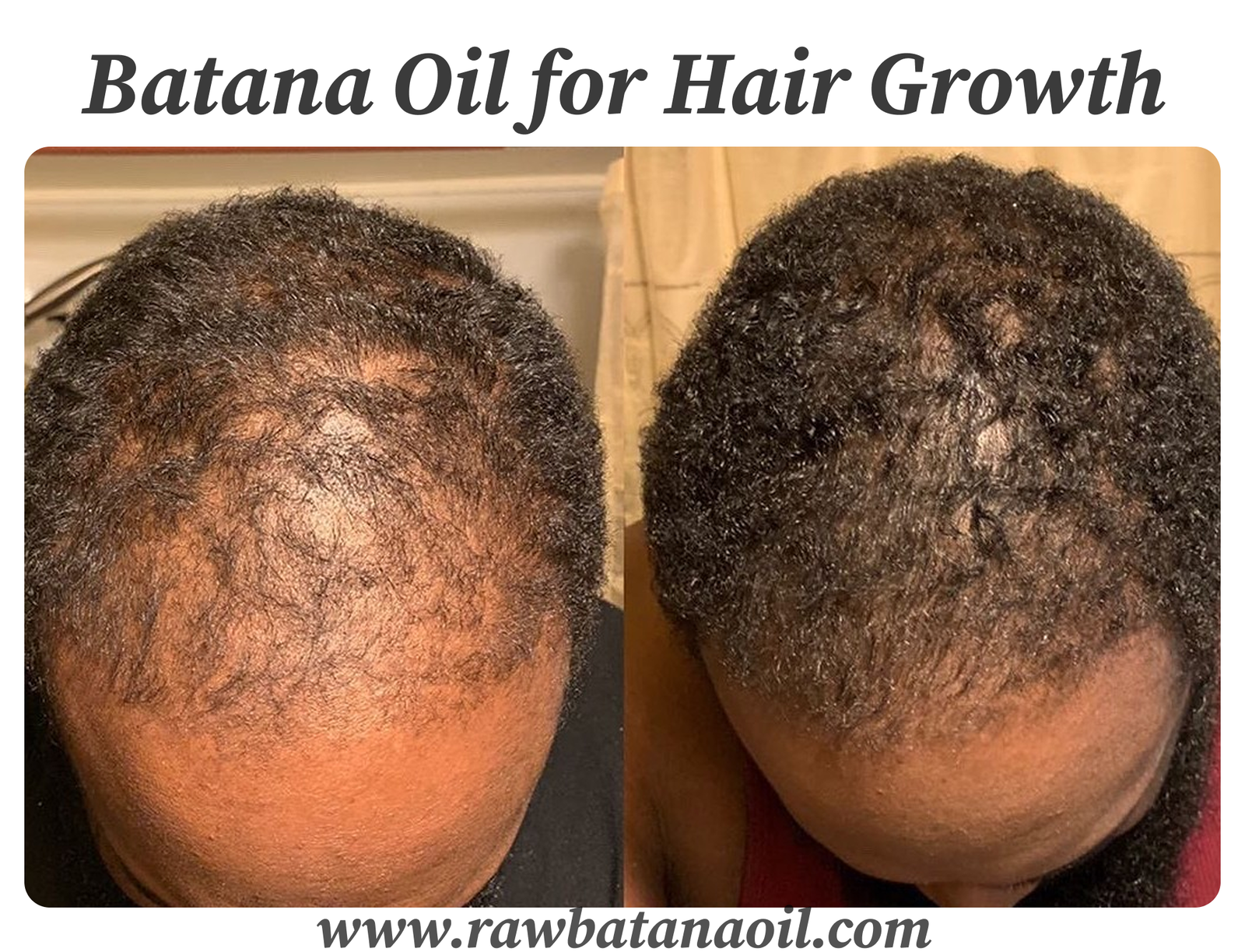
Let’s be honest—watching your hair thin out or fall in clumps can feel devastating. Whether you’re noticing more hairs in your brush, widening parts, or simply wish your growth rate would pick up the pace, you’re probably tired of empty promises from expensive products.
Here’s the thing: sometimes the most effective solutions come from traditional remedies that have stood the test of time. Enter batana oil—a lesser-known but incredibly potent natural oil that’s been used for centuries by indigenous communities in Central America for luscious, strong hair.
In this comprehensive guide, you’ll discover everything you need to know about using batana oil for hair growth. From its unique composition to application methods that actually work, consider this your roadmap to potentially transforming your hair journey with this powerful botanical oil.
What Is Batana Oil?
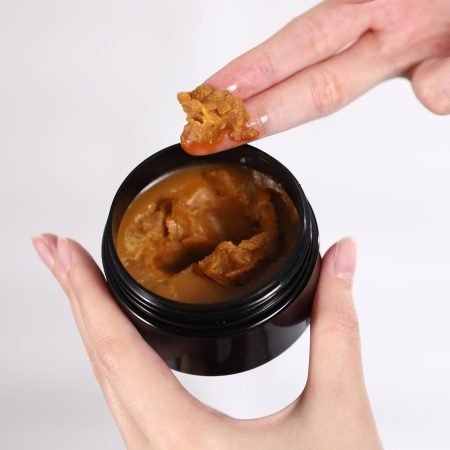
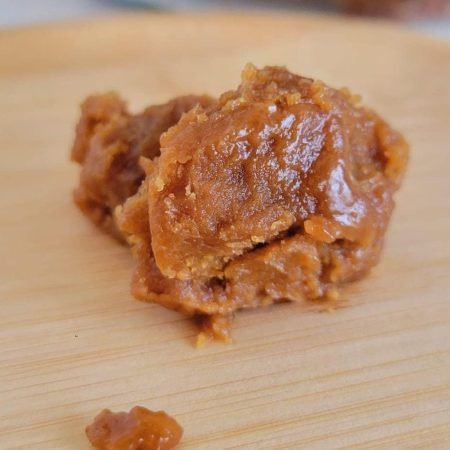
Pure Batana oil (sometimes called “ojon oil”) is extracted from the nuts of the American oil palm (Elaeis oleifera), native to Honduras and other parts of Central America. The oil has a rich reddish-brown color and a distinctive nutty aroma.
What makes this oil truly special is its traditional heritage. For generations, the Miskito people of Honduras’s Mosquitia region have harvested, processed, and used this oil as part of their hair and skin care rituals. Women from these communities are known for their remarkably long, healthy hair—often reaching their ankles—which they attribute to regular use of batana oil.
The extraction process itself is fascinating and labor-intensive. The palm nuts are harvested, cleaned, and dried in the sun. They’re then carefully cracked to extract the kernels, which are boiled and pressed to release the oil. This traditional method preserves the oil’s nutrients and bioactive compounds.
Staff picks
Top rated products
-
100% Pure Unrefined Batana Oil
Original price was: $40.00.$29.99Current price is: $29.99. -
Batana Oil Shampoo
Original price was: $55.00.$29.99Current price is: $29.99. -
Dersie Batana Oil
Original price was: $55.00.$35.00Current price is: $35.00. -
Batana Oil Serum
Original price was: $45.00.$30.00Current price is: $30.00.
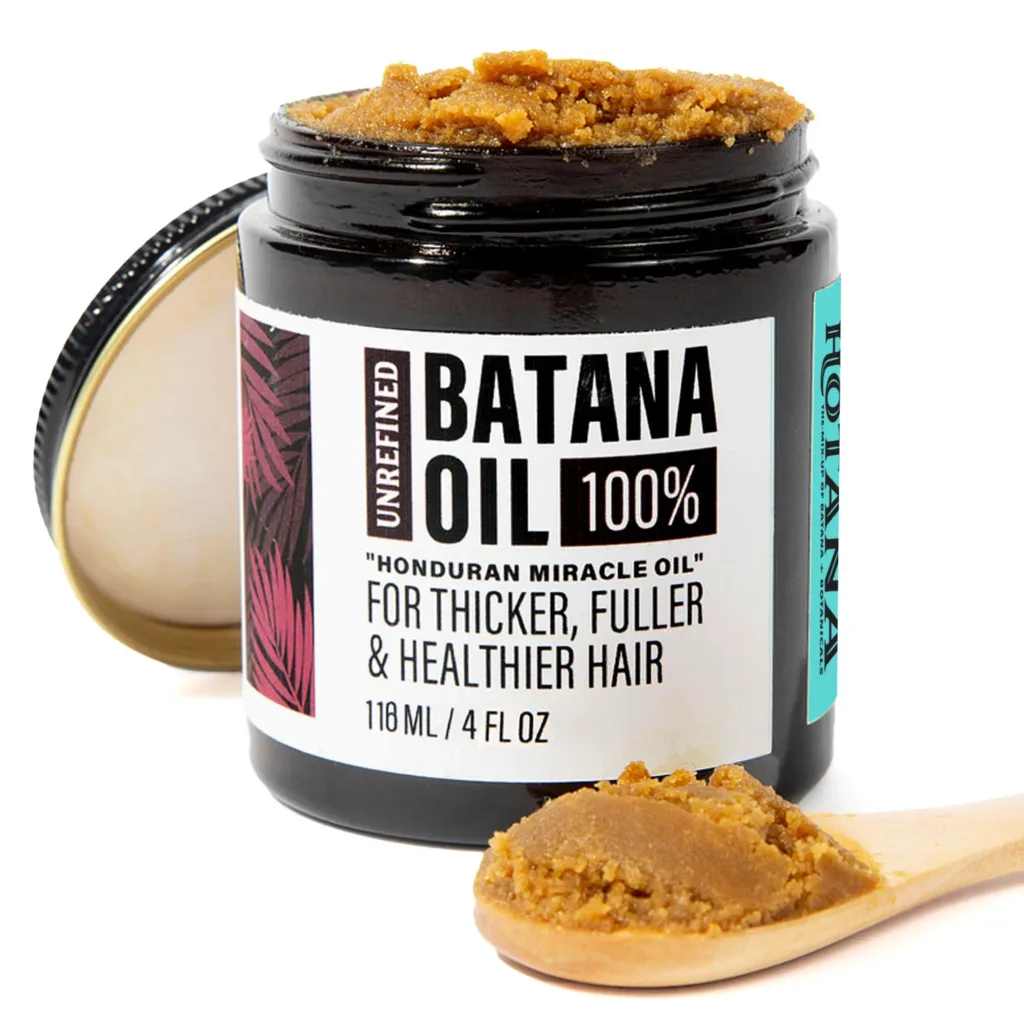
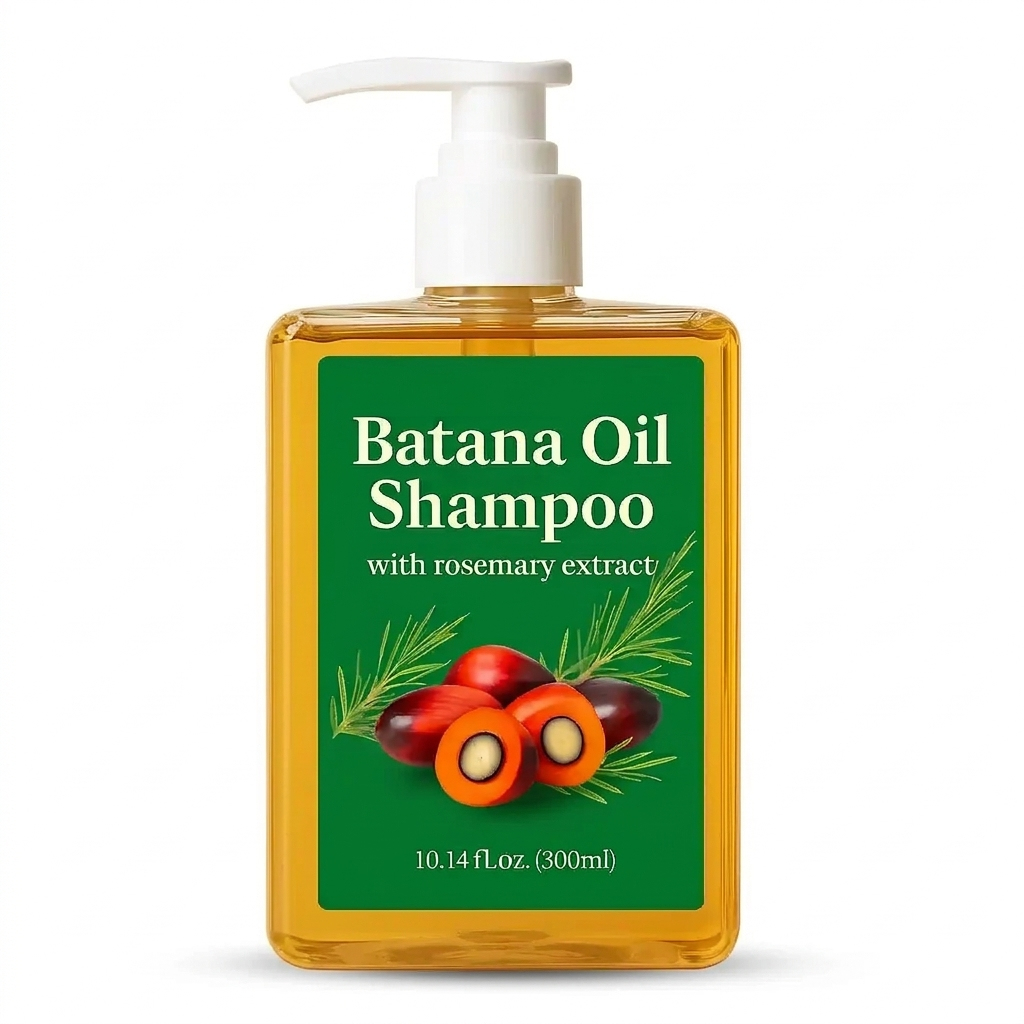
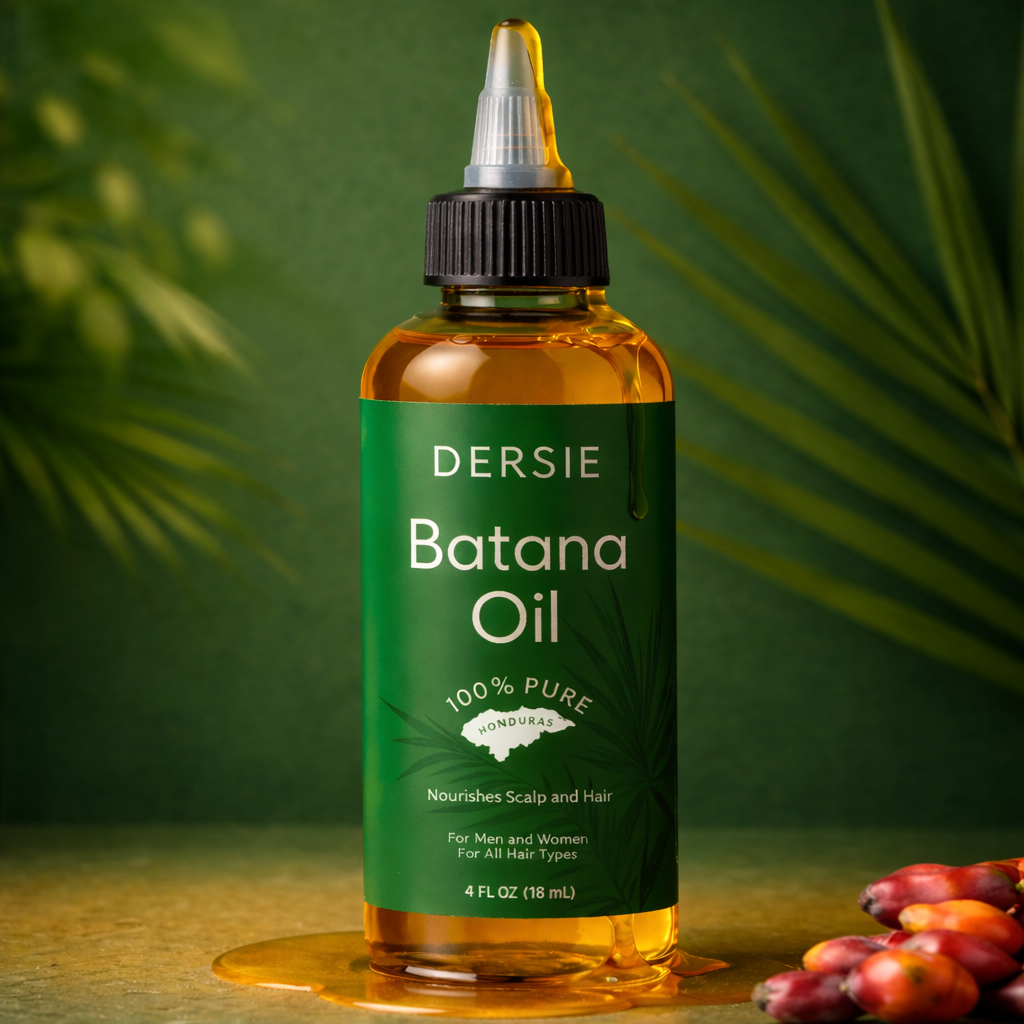
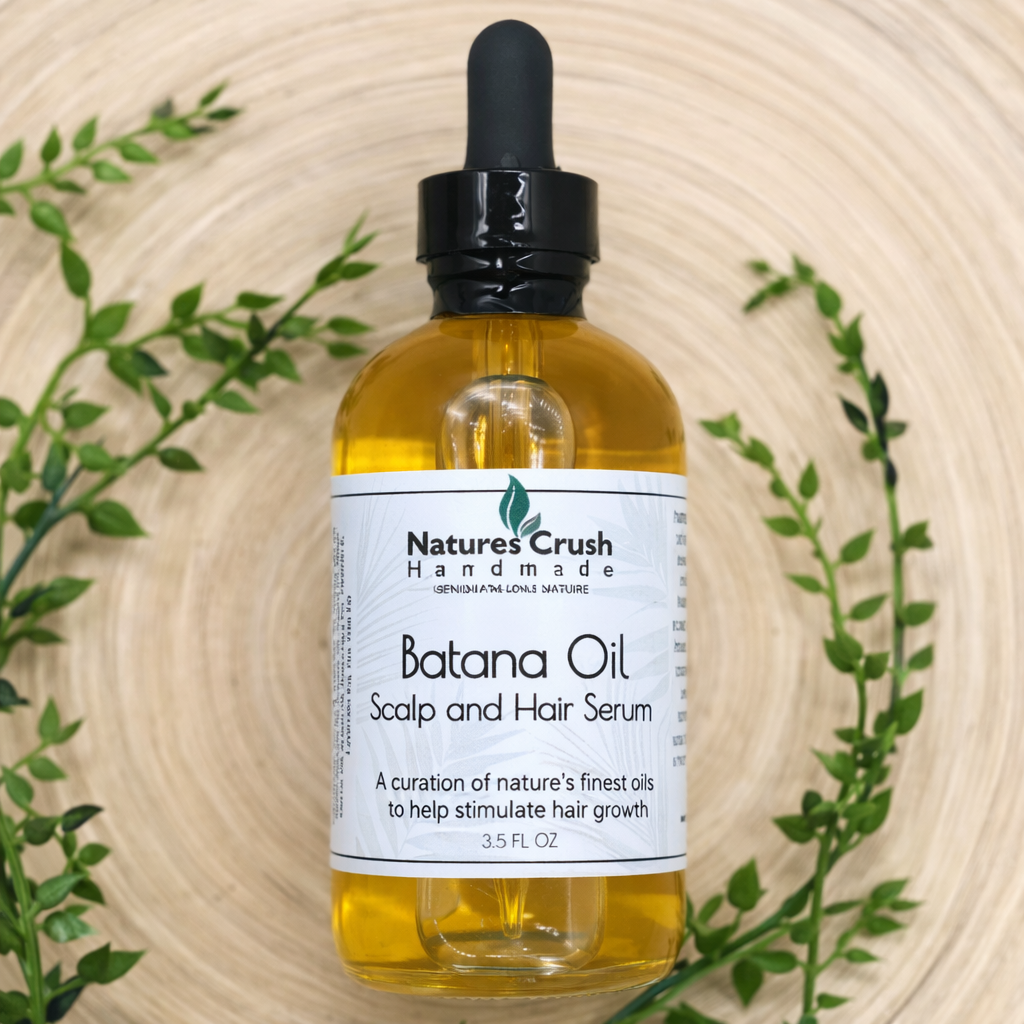
Unlike mass-produced commercial oils, authentic batana oil is typically produced in small batches, often by women in indigenous communities who have preserved this tradition across generations. This careful, small-scale production helps maintain the oil’s potency and effectiveness.
Nutritional Profile of Batana Oil
The secret behind batana oil’s hair-enhancing properties lies in its impressive nutritional makeup. This oil is packed with compounds that nourish both scalp and hair follicles:
- Oleic acid: This omega-9 fatty acid makes up about 40% of batana oil’s composition and is excellent for penetrating the hair shaft, increasing elasticity, and preventing moisture loss.
- Tocopherols (Vitamin E): Powerful antioxidants that protect hair follicles from oxidative stress and environmental damage while promoting healthy circulation in the scalp.
- Phytosterols: Plant compounds that may help block DHT (dihydrotestosterone), a hormone linked to hair loss, particularly in pattern baldness.
- Lauric acid: Has antimicrobial properties that help maintain scalp health by combating dandruff and fungal issues that can impede hair growth.
- Linoleic acid: This essential fatty acid helps maintain the scalp’s natural moisture barrier, preventing dryness that can lead to breakage and stunted growth.
- Polyphenols: Provide anti-inflammatory benefits that soothe irritated scalps and create a healthier environment for hair growth.
- Minerals: Including zinc, magnesium, and iron—all crucial nutrients for healthy hair development and growth.
This rich nutritional profile is why batana oil doesn’t just coat the hair like some commercial products. Instead, it penetrates deeply, nourishing from within and addressing multiple factors that influence hair growth and retention.
Top Benefits of Batana Oil for Hair Growth
When it comes to improving your hair growth, batana oil offers multiple benefits that work synergistically. Here’s what makes it stand out from other hair treatments:
1. Stimulates Dormant Hair Follicles
Batana oil contains compounds that may help “wake up” sleeping follicles. Its natural properties stimulate blood circulation when massaged into the scalp, delivering oxygen and nutrients to hair roots. This increased blood flow is crucial for activating hair follicles that have become dormant, potentially leading to new growth in thinning areas.
2. Strengthens Hair from Root to Tip
The oil’s high concentration of fatty acids helps reinforce hair’s natural protein structure. Regular use strengthens the hair shaft, making it more resilient against breakage. This strength doesn’t just prevent existing hair from falling out—it allows strands to grow longer before breaking, contributing to apparent thickness and length over time.
3. Creates Optimal Scalp Environment
A healthy scalp is the foundation of healthy hair growth. Batana oil’s antimicrobial and anti-inflammatory properties help combat conditions like dandruff, dermatitis, and folliculitis that can impede growth. By balancing the scalp’s natural oils and microbiome, it creates the ideal environment for hair to thrive.
4. Protects Against Heat and Environmental Damage
The oil forms a protective barrier around hair strands, shielding them from heat styling, UV radiation, and pollution. This protection is especially beneficial if you’re trying to grow your hair, as it prevents the damage that can lead to breakage and split ends—the enemies of length retention.
5. Prevents Premature Hair Loss
Some early studies suggest that components in batana oil may help inhibit 5-alpha-reductase, an enzyme involved in converting testosterone to DHT. Since DHT is a primary factor in pattern hair loss, this inhibition could help reduce hair shedding and thinning, particularly in those with genetic predispositions to hair loss.
6. Repairs Damaged Hair Structure
For those with chemically treated or heat-damaged hair, batana oil can help repair the cuticle layer, smoothing and sealing lifted cuticles. This repair process makes hair appear shinier and healthier while preventing further damage that can lead to breakage.
7. Balances Scalp Oil Production
Whether you have an oily or dry scalp, batana oil helps regulate sebum production. For oily scalps, it can signal the sebaceous glands to reduce output, while for dry scalps, it supplements natural oils. This balancing act creates optimal conditions for healthy growth.
8. Enhances Hair Elasticity
Hair that can stretch without breaking is hair that can grow longer. Batana oil improves elasticity by penetrating the hair shaft and improving its internal moisture balance, resulting in strands that bend rather than snap under tension.
The beauty of these benefits is that they address hair growth from multiple angles—not just stimulating new growth, but creating conditions that allow that growth to continue unimpeded while maintaining the health of existing hair.
How Does Batana Oil Promote Hair Growth?
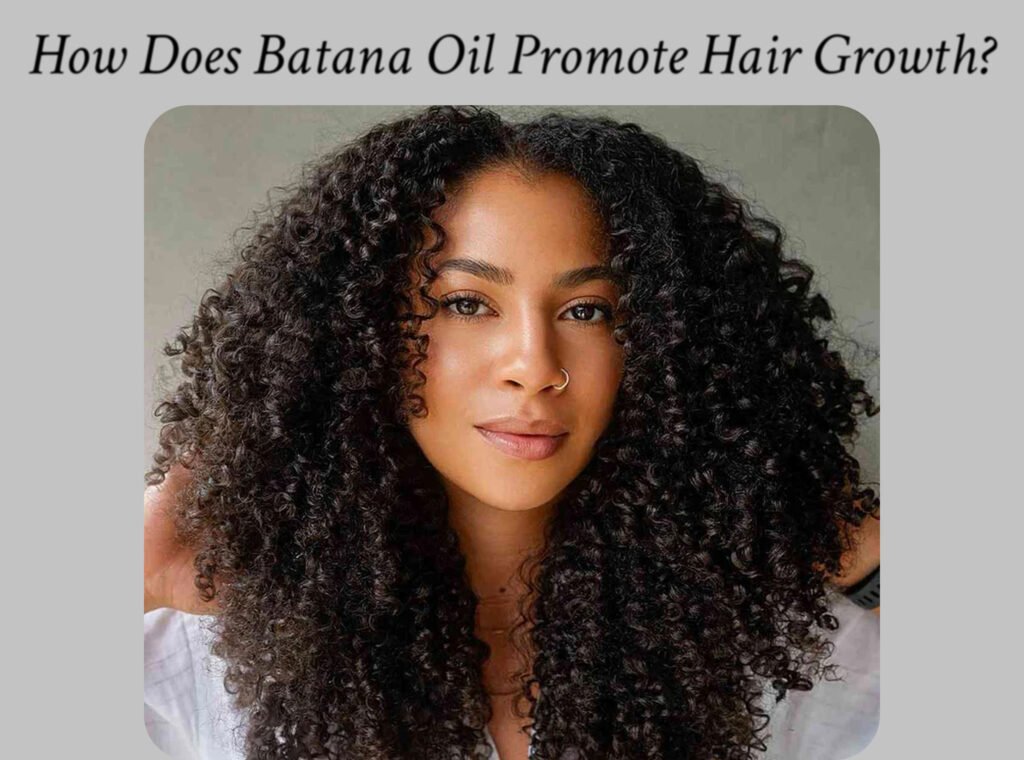
To understand why batana oil works so effectively for hair growth, we need to look at the specific mechanisms behind its actions:
Direct Follicle Stimulation
When massaged into the scalp, batana oil activates the dermal papilla cells—the specialized cells at the base of hair follicles that control hair growth and structure. The oil’s active compounds stimulate these cells, potentially extending the anagen (growth) phase of the hair cycle.
Potential DHT Blocking
Pattern hair loss is largely driven by sensitivity to dihydrotestosterone (DHT). Early research suggests that certain phytosterols in batana oil may act as natural 5-alpha-reductase inhibitors, reducing the conversion of testosterone to DHT. With less DHT binding to follicle receptors, hair is less likely to miniaturize and fall out prematurely.
Enhanced Microcirculation
The massage typically used to apply batana oil, combined with its natural warming properties, significantly boosts blood flow to the scalp. This improved circulation ensures hair follicles receive ample oxygen and nutrients while efficiently removing waste products—all crucial for optimal growth.
Cellular Regeneration Support
The antioxidants in batana oil help neutralize free radicals that can damage follicle cells. This protection against oxidative stress supports the health and longevity of hair-producing cells, potentially slowing age-related thinning.
Barrier Function Improvement
Batana oil strengthens the scalp’s natural lipid barrier, which protects against moisture loss and external irritants. This improved barrier function creates a stable environment where follicles can function optimally without interference from inflammation or dryness.
Nutritional Delivery System
The molecular structure of batana oil allows it to penetrate both the scalp and hair shaft effectively. This penetration means it doesn’t just sit on the surface—it delivers its nutrients directly to where they’re needed most for growth.
Protein Loss Prevention
Hair is primarily made of keratin protein. Batana oil helps prevent protein loss during washing and styling by forming a protective film around the hair cuticle. This protein preservation maintains hair strength, preventing the breakage that can make hair appear to grow more slowly.
The synergy of these mechanisms creates a comprehensive approach to hair growth—addressing both the stimulation of new growth and the preservation of existing hair for maximum visible results.
Batana Oil vs. Other Popular Hair Oils
When choosing the right oil for your hair growth journey, it’s helpful to understand how batana compares to other popular options. Here’s a comparative breakdown:
| Oil Type | Main Benefits | Drawbacks | Best For | Absorption Rate |
|---|---|---|---|---|
| Batana Oil | Complete nutritional profile, DHT-blocking potential, deep penetration, strengthens from within | Limited availability, higher price point, strong scent | All hair types, especially thinning hair, damaged hair | Medium-fast |
| Castor Oil | High in ricinoleic acid, antimicrobial, thickening effect | Very thick consistency, can be difficult to wash out, may cause buildup | Low porosity hair, eyebrows/lashes, edges | Slow |
| Argan Oil | Lightweight, high in vitamin E, adds shine, heat protection | Less effective for significant growth issues, mostly surface benefits | Fine hair, frizz control, heat protection | Fast |
| Coconut Oil | Prevents protein loss, conditions, widely available | Solidifies in cool temperatures, can cause buildup on low porosity hair | Protein-sensitive hair, pre-shampoo treatments | Medium |
The key difference is that batana oil offers a more comprehensive approach to hair growth. While castor oil excels at thickening and coconut oil at preventing damage, batana addresses multiple aspects of hair health simultaneously—from follicle stimulation to shaft protection.
Batana oil also tends to have a better balance of penetration vs. coating. Castor oil often sits on top of the hair due to its thick consistency, while argan oil can absorb so quickly that its effects don’t last. Batana strikes the ideal middle ground, penetrating where needed while providing lasting protection.
For those specifically targeting hair growth rather than just general hair health, batana oil’s unique composition makes it particularly valuable. Its potential DHT-inhibiting properties set it apart from other oils that may condition well but don’t address hormonal aspects of hair loss.
How to Use Batana Oil for Hair Growth
To maximize batana oil’s benefits for hair growth, proper application is key. Here are several effective methods to incorporate this powerful oil into your routine:
1. Scalp Massage Treatment
This method directly targets hair follicles for maximum growth stimulation.
You’ll need:
- 1-2 tablespoons of batana oil
- A dropper bottle (optional, but helpful)
- A towel or shower cap
Steps:
- Start with dry or slightly damp hair, separated into sections.
- Warm the oil between your palms (never microwave it).
- Apply the oil directly to your scalp using your fingertips or a dropper, focusing on areas of thinning.
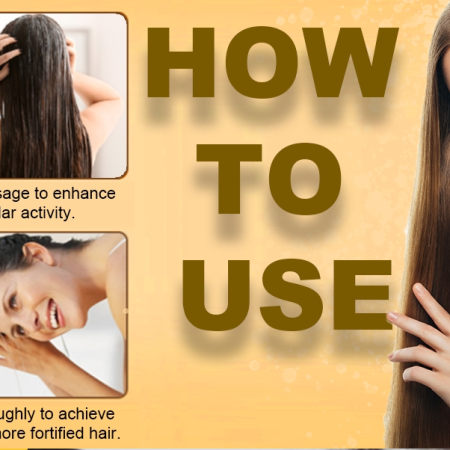
- Using your fingertips (not nails), massage in circular motions for 5-10 minutes to stimulate circulation.
- Leave on for at least 30 minutes—preferably overnight—covering with a shower cap to prevent staining.
- Wash thoroughly with a gentle shampoo, possibly twice if needed to remove all oil.
2. Strengthening Hair Mask
This treatment nourishes both scalp and hair strands for comprehensive care.
You’ll need:
- 2 tablespoons of batana oil
- 1 tablespoon of honey (humectant properties)
- 1 egg yolk (protein boost)
- 5 drops of rosemary essential oil (optional growth booster)
Steps:
- Mix all ingredients in a bowl until well blended.
- Apply to scalp first, then work through to ends of hair.
- Cover with a shower cap and leave for 45-60 minutes.
- Rinse with cool water first (to prevent the egg from cooking), then shampoo as usual.
- Apply once weekly for best results.
3. Overnight Growth Treatment
This intensive method allows maximum absorption time for deep nourishment.
Steps:
- Section clean, dry hair.
- Apply batana oil generously to scalp and hair, paying extra attention to the roots.
- Gently massage for 3-5 minutes to work the oil in.
- Braid hair loosely or wrap in a protective silk scarf/cap to prevent oil transfer to bedding.
- Sleep with the treatment in.
- Wash out thoroughly in the morning.
- Repeat 1-2 times per week.
4. Leave-In Growth Serum
For daily maintenance between intensive treatments:
You’ll need:
- 1 tablespoon batana oil
- 2 tablespoons aloe vera gel (soothing, penetration enhancer)
- 5 drops peppermint essential oil (stimulating)
- Small spray bottle
Steps:
- Mix ingredients well and store in a spray bottle.
- Shake before each use.
- Spray onto roots and scalp daily on dry or damp hair.
- Massage gently to distribute.
- No need to rinse out—style as usual.
5. Pre-Shampoo Treatment
This method helps prevent the moisture-stripping effects of shampooing.
Steps:
- Apply batana oil generously to dry hair, focusing on scalp and ends.
- Comb through to distribute evenly.
- Leave for 15-30 minutes before shampooing.
- Proceed with your regular wash routine.
- This method is especially beneficial for those who wash their hair frequently.
Tips for Maximum Effectiveness:
- Heat Enhancement: After applying batana oil, wrap your hair in a warm towel (heated in the dryer) to help the oil penetrate more deeply.
- Consistency Matters: Results come from regular use, not one-time applications.
- Less Is More: Start with small amounts—you can always add more if needed. Excess oil can be difficult to remove and may weigh hair down.
- Section Properly: Divide hair into at least four sections to ensure even application to the scalp.
- Focus on Roots: While coating the length of hair is beneficial for protection, growth happens at the follicle—so always prioritize scalp application.
How Often Should You Use Batana Oil?
Finding the right frequency for batana oil application depends on your hair type, concerns, and goals. Here’s a customized guide to help you determine your optimal schedule:
For Significant Hair Loss or Thinning:
Intensive treatment is recommended initially:
- Scalp massages: 3-4 times weekly
- Overnight treatments: 1-2 times weekly
- Daily leave-in serum: Every morning on problem areas
After seeing improvement (usually 2-3 months), you can scale back to maintenance frequency.
For Preventative Care/Maintaining Healthy Growth:
- Scalp treatments: 1-2 times weekly
- Hair masks: Once every 1-2 weeks
- Pre-shampoo treatments: Before each wash
Based on Hair Type:
Fine/Thin Hair:
Too much oil can weigh down fine strands. Stick to:
- Lighter applications focused mainly on the scalp
- 1-2 weekly treatments
- Shorter leave-in times (30 minutes rather than overnight)
- Always follow with thorough cleansing
Thick/Coarse Hair:
Can handle more frequent and heavier applications:
- 2-3 times weekly
- Overnight treatments work particularly well
- Can use as both scalp treatment and end sealer
Curly/Coily Hair:
Benefits from batana oil’s intensive moisture:
- 2-3 weekly treatments
- Great as a pre-shampoo treatment
- Can be cocktailed with other oils for maximum hydration
- Works well as part of the LOC (Liquid-Oil-Cream) method
Oily Hair/Scalp:
- Focus on ends rather than scalp
- Limit to once weekly
- Shorter application times (15-30 minutes)
- Always follow with clarifying shampoo
Dry Scalp/Dandruff:
- 2-3 times weekly until condition improves
- Thorough scalp massage during application
- Can add tea tree oil for enhanced antimicrobial effects
Seasonal Adjustments:
Winter/Dry Weather:
Increase frequency to combat dryness and static:
- Add an extra weekly treatment
- Use the leave-in method more frequently
Summer/Humid Weather:
You may need less oil as natural sebum production increases:
- Reduce to once weekly
- Focus more on ends than scalp
The key is to listen to your hair. If it feels weighed down, greasy, or if you notice any irritation, reduce frequency. If your hair quickly absorbs the oil and feels dry again soon after, you may need more frequent application.
Remember that consistency trumps intensity—regular, moderate use will yield better results than sporadic heavy treatments.
What Results Can You Expect? (Timeline)
Setting realistic expectations for your batana oil hair growth journey helps prevent disappointment and keeps you motivated. Here’s what you might experience at different stages:
The First Week:
Don’t expect growth yet, but you should notice:
- Improved shine and luster
- Reduced frizz and flyaways
- Softer, more manageable hair texture
- Initial scalp comfort if you had itchiness or irritation
Many people experience what seems like increased shedding during the first week. Don’t panic—this is often just the oil loosening already-detached hairs that were “stuck” to the scalp.
Weeks 2-4:
- Reduced breakage when brushing or styling
- Less hair in your shower drain or brush
- Scalp conditions like flaking or irritation should improve significantly
- Hair may feel stronger and more resilient
- Some may notice baby hairs beginning to appear around the hairline
Months 1-2:
- New growth becomes more noticeable, especially along the hairline and crown
- Existing hair appears thicker due to improved strength and diameter
- Length retention improves as breakage decreases
- Scalp health should be noticeably better
- Hair elasticity improves—strands stretch more before breaking
Months 3-4:
- The most dramatic results typically appear in this timeframe
- New growth becomes more substantial and visible
- Previously thin areas may show significant improvement
- Overall density increases as new hairs continue to grow
- Hair growth rate may accelerate (average hair grows ½ inch per month, but may increase slightly)
Months 6+:
- Sustainable results should be established
- Continued use focuses on maintenance rather than dramatic change
- Hair cycle synchronization—more follicles in growth phase simultaneously
- Cumulative benefits to hair structure and strength
- Previously lost areas may show significant recovery
Important Considerations:
Growth Rate Reality Check:
Human hair typically grows about ½ inch per month. No oil, including batana, can dramatically exceed your genetic potential. What it can do is:
- Help you achieve your maximum natural growth rate
- Reduce loss so more growth is retained
- Improve the appearance of fullness through strand thickness
Individual Variation Factors:
Results vary significantly based on:
- Age (younger people typically see faster results)
- Overall health and nutrition
- Underlying causes of hair loss
- Consistency of application
- Quality of batana oil used
- Genetic factors affecting hair growth
Photographic Documentation:
Take photos in the same lighting, same hair position, once monthly. This provides objective evidence of progress that can be hard to notice day-to-day.
The 3-Month Minimum:
Commit to at least three months of consistent use before evaluating effectiveness. The hair growth cycle takes time, and premature abandonment is the most common reason people don’t see results.
Remember, batana oil works best as part of a holistic approach to hair health that includes proper nutrition, gentle handling, stress management, and appropriate supplementation if needed.
Batana Oil for Different Hair Types
Batana oil can benefit all hair types, but the application methods and expected results vary. Here’s how to customize your approach:
Straight Hair (Type 1)
Straight hair can easily look oily, so application technique is key:
- Focus application primarily on the scalp and first few inches of hair
- Use lighter amounts (1/2-1 teaspoon for short hair, 1 teaspoon for longer)
- Leave on for shorter periods (30-60 minutes rather than overnight)
- Consider diluting with lighter oils like grapeseed for leave-in applications
Benefits for straight hair:
- Adds volume at the roots
- Prevents flat, lifeless appearance
- Creates natural-looking shine without greasiness when properly applied
Wavy Hair (Type 2)
Wavy hair tends to be more prone to frizz, making batana oil particularly beneficial:
- Apply to scalp for growth and mid-lengths to ends for frizz control
- Works well as both treatment and styler in smaller amounts
- Can help define natural wave pattern
Benefits for wavy hair:
- Enhances natural wave definition
- Controls frizz while maintaining volume
- Prevents the “triangle effect” (flat top, puffy bottom) common in wavy hair
Curly Hair (Type 3)
Curly hair is typically drier and benefits from batana oil’s intense moisture:
- Can use more generous amounts (1-2 tablespoons depending on length)
- Excellent as an overnight treatment
- Great pre-shampoo treatment to prevent cleanser-induced dryness
- Can be cocktailed with other oils (like jojoba) for enhanced benefits
Benefits for curly hair:
- Defines curl pattern
- Reduces shrinkage
- Improves clumping for more defined curls
- Significantly reduces breakage at weak points in the curl
Coily/Kinky Hair (Type 4)
This hair type can absorb the most product and receives maximum benefits:
- Use generous amounts focusing on both scalp and strands
- Excellent for overnight treatments and protective styling
- Can be warmed slightly for better penetration into tight curl patterns
- Works well as a sealant in the LOC or LCO method
Benefits for coily hair:
- Exceptional moisture retention
- Reduced single-strand knots
- Easier detangling with less breakage
- Promotes length retention by preventing end dryness
Fine Hair
Regardless of curl pattern, fine hair requires a delicate approach:
- Use minimal amounts to prevent weighing hair down
- Apply primarily to scalp with very little on strands
- Consider mixing with aloe vera gel for lighter application
- Always shampoo thoroughly after treatments
Benefits for fine hair:
- Strengthens without heaviness
- May increase hair shaft diameter slightly with regular use
- Supports scalp health without overwhelming strands
Thick Hair
Thick hair can be more resistant to absorbing treatments:
- Apply to slightly damp hair to help with penetration
- Section thoroughly to ensure even distribution
- Consider using heat (warm towel or heat cap) to enhance absorption
- May need more product and longer processing times
Benefits for thick hair:
- More manageable texture
- Improved internal moisture balance
- Enhanced shine and smoothness
- Better response to styling
Color-Treated Hair
Chemical processing makes hair more porous and vulnerable:
- Excellent for restoring protein-moisture balance
- Apply more to damaged areas (typically ends)
- Use as pre-color treatment to prevent excessive dye absorption
- Can help extend color longevity by reducing wash frequency
Benefits for color-treated hair:
- Helps seal the cuticle
- Reduces color fading
- Restores elasticity compromised by chemical processes
- Minimizes the appearance of damage
Whatever your hair type, start with less product than you think you need—you can always add more, but using too much can be difficult to correct.
Potential Side Effects & Who Should Avoid It
While batana oil is generally safe for most people, it’s important to be aware of potential side effects and contraindications:
Possible Side Effects
Allergic Reactions
Some people may develop contact dermatitis, characterized by:
- Redness, itching, or burning sensation
- Small bumps or rash
- Swelling or tenderness of the scalp
- Excessive flaking that wasn’t present before use
Follicular Overload
Using too much oil or not cleansing properly can lead to:
- Clogged hair follicles
- Small pimple-like bumps on the scalp
- Slow emergence of new hair growth
- Paradoxical increased shedding
Hair Weighing Down
Particularly for fine or low-density hair:
- Flat, lifeless appearance
- Greasy look even after washing
- Difficulty styling
- Reduced volume at roots
Initial “Purge” Phase
Some users experience what appears to be increased shedding when first using batana oil. This is usually temporary (lasting 1-2 weeks) and occurs when:
- The oil loosens already-detached hairs
- The scalp undergoes a “detoxification” process
- Hair follicles transition between growth cycles
Who Should Exercise Caution
Pregnant or Nursing Women
While there’s no specific evidence that batana oil is harmful during pregnancy or lactation, the lack of safety studies suggests caution:
- Consult your healthcare provider before use
- Consider postponing use until after pregnancy/nursing
- If using, start with very small amounts to test reaction
Those with Tree Nut Allergies
Since batana oil comes from palm nuts, those with severe tree nut allergies should:
- Perform a patch test on the inside of the elbow 24 hours before scalp use
- Discontinue immediately if any reaction occurs
- Consider alternative oils like jojoba or grapeseed if concerned
People with Seborrheic Dermatitis
The rich nature of batana oil might aggravate this condition:
- Start with heavily diluted applications
- Monitor scalp reaction closely
- Consider mixing with antifungal oils like tea tree if using
Those with Very Oily Scalps
If you already produce excess sebum:
- Apply batana oil only to hair strands, avoiding the scalp
- Use as a pre-shampoo treatment rather than leave-in
- Reduce frequency to once weekly or less
Individuals Taking Certain Medications
Those on blood thinners or with bleeding disorders should consult healthcare providers, as some components in batana oil may have mild anticoagulant effects.
How to Test Safely
Before full application, always perform a patch test:
- Apply a small amount of batana oil behind your ear or on your inner forearm
- Cover with a bandage and leave for 24 hours
- Check for any redness, itching, or irritation
- If reaction occurs, avoid using on your scalp
If Side Effects Occur
If you experience negative reactions:
- Immediately wash the oil out with a gentle clarifying shampoo
- Apply cool compresses if irritation is present
- For severe reactions, consult a dermatologist
- Consider diluting with carrier oils like jojoba or coconut if you want to try again
Remember that natural doesn’t always mean risk-free. Individual responses vary, and what works wonderfully for most may not be suitable for everyone.
How to Choose the Best Batana Oil
Not all batana oils are created equal. Here’s how to identify high-quality products that will deliver maximum benefits for your hair growth journey:
Key Quality Indicators
1. Sourcing Authentication
The best batana oil comes from Honduras, particularly the Mosquitia region. Look for:
- Clear indication of Honduran origin
- Information about the indigenous communities involved in production
- Fair trade or direct trade certifications
- Transparency about harvesting methods
2. Processing Method
Traditional, minimal processing preserves beneficial compounds:
- Cold-pressed extraction (heat damages nutrients)
- Unrefined (maintains natural color and nutrient profile)
- No chemical solvents used in extraction
- Small-batch processing
3. Physical Characteristics
Authentic, high-quality batana oil should have:
- Rich reddish-brown to deep amber color
- Distinct nutty, somewhat earthy aroma
- Thick but pourable consistency
- Clear appearance (no cloudiness or floating particles)
4. Packaging
Proper packaging preserves potency:
- Dark amber or blue glass bottles (protects from light degradation)
- Airtight seals
- Production and expiration dates clearly marked
- Droppers or pumps for easy application
5. Ingredient List
The purest options contain:
- 100% batana oil (Elaeis oleifera) with no fillers
- No added fragrances, preservatives, or silicones
- No mineral oil or petroleum derivatives
- No alcohol (drying to scalp and hair)
Red Flags to Avoid
Be wary of products that:
- Are unusually inexpensive (true batana oil requires labor-intensive production)
- Have a very light color (indicates refining or dilution)
- List “fragrance” or “parfum” on the ingredient label
- Make outlandish claims like “grows hair 5x faster”
- Come in clear plastic containers (accelerates oxidation)
- Have no information about sourcing or extraction methods
Storage Recommendations
Once purchased, proper storage extends shelf life and maintains potency:
- Keep in a cool, dark place away from direct sunlight
- Tightly seal after each use
- Store away from heat sources and humidity
- Typical shelf life is 12-18 months if properly stored
- Refrigeration can extend shelf life but may cause thickening (return to room temperature before use)
Choosing a high-quality product is perhaps the most crucial step in your batana oil journey. No application technique can compensate for diluted or improperly processed oil.
FAQs About Batana Oil for Hair Growth
Is batana oil the same as ojon oil?
Yes and no. Both oils come from the same plant (Elaeis oleifera), but “ojon” was a trademarked brand name used to market batana oil. Traditional batana oil is what indigenous communities have used for centuries. The compositions are essentially identical, though commercial “ojon” products may include additional ingredients or be refined differently.
How long does it take to see results from batana oil?
Most people notice improved hair texture, shine, and manageability within the first 1-2 weeks. For actual growth results, expect to wait at least 6-8 weeks for visible changes, with more significant results appearing around the 3-month mark. Hair growth is a slow process, and consistency is key.
Can batana oil help with postpartum hair loss?
Many women report success using batana oil for postpartum shedding. The oil’s follicle-strengthening properties can help minimize the impact of hormonal hair loss. For best results, begin use as soon as excessive shedding starts, and continue for at least 3-4 months as your hormones stabilize.
Does batana oil work for male pattern baldness?
Batana oil may help slow the progression of male pattern baldness due to its potential DHT-blocking properties, but it’s unlikely to completely reverse genetic hair loss on its own. It works best in the early stages or when combined with other treatments like minoxidil (with doctor approval). For advanced baldness, temper your expectations with realistic goals.
How can I tell if my batana oil is authentic?
Genuine batana oil has a distinctive reddish-brown color and nutty aroma. It should feel substantial but absorb into the skin when warmed. If your oil is pale yellow, odorless, or feels like mineral oil, it’s likely not authentic or has been heavily refined, reducing its beneficial properties.
Will batana oil make my fine hair look greasy?
It can if not used properly. For fine hair, use minimal amounts (½ teaspoon or less), focus application on the scalp only, and ensure thorough washing afterward. Consider diluting with a lighter carrier oil like grapeseed or using it as a pre-shampoo treatment rather than a leave-in.
Can I use batana oil with minoxidil or other hair growth treatments?
Yes, but timing matters. Apply prescription treatments first on clean scalp, allow to dry completely, then apply batana oil afterward (ideally several hours later). Never mix them directly, as oils can alter the absorption of medications. Some users find alternating days works best—medication one day, oil the next.
Is it normal to experience more shedding when first using batana oil?
Some users report an initial increase in shedding during the first 1-2 weeks of use. This is typically temporary and often represents already-loosened hairs being released during massage or application. If shedding continues beyond two weeks or seems excessive, discontinue use and consult a dermatologist.
Conclusion
After exploring the rich tradition, science, and practical applications of batana oil, one thing becomes clear: this centuries-old remedy offers modern solutions for those struggling with hair growth challenges. From its unique nutritional profile to its multi-faceted approach to hair health, batana oil stands out in a crowded market of hair growth products.
The beauty of batana oil lies in its holistic approach. Rather than targeting just one aspect of hair growth, it addresses multiple factors: scalp health, follicle stimulation, shaft protection, and even potential hormonal balance. This comprehensive action makes it suitable for various types of hair loss and growth concerns.
Remember that consistency is the true key to success. Hair growth is a marathon, not a sprint, and the most impressive results come to those who make batana oil a regular part of their hair care ritual. Start with realistic expectations, document your progress, and give your body time to respond to this natural treatment.
Whether you’re combating thinning, working to grow longer locks, or simply wanting to maintain the healthy hair you have, batana oil offers a natural alternative worth exploring. Your hair journey is unique, but the wisdom of generations of indigenous people who have treasured this oil suggests you may have found a powerful ally in your quest for healthier, more abundant hair.
Ready to transform your hair growth journey? The next step is simple: source a high-quality batana oil and begin your consistent routine. Your future self—and your future hair—will thank you.