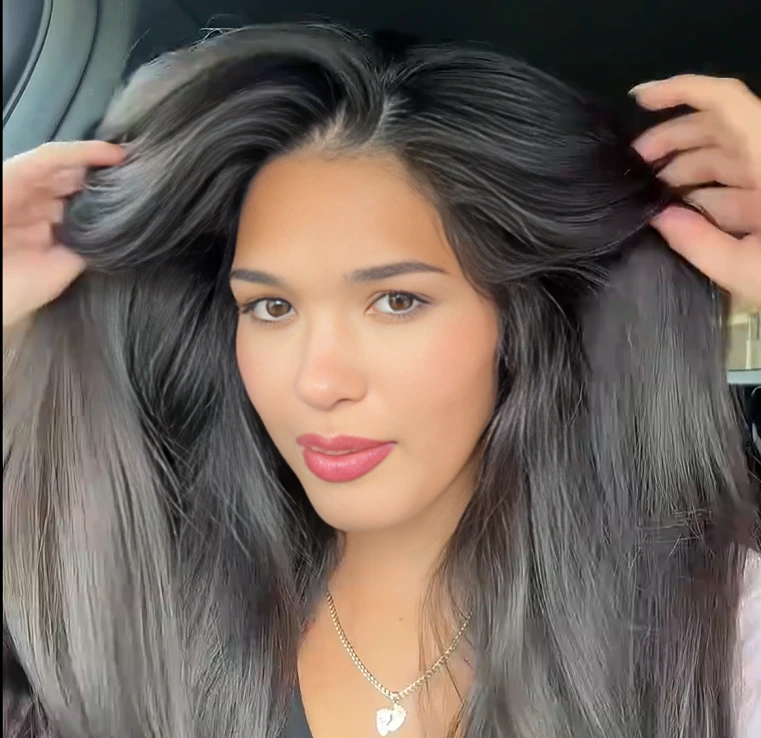
You’ve seen the photos — impossibly glossy, light-catching hair that looks like it belongs in a high-end hair commercial. And lately, more and more of those results are being credited to one thing: batana oil. But is the shine real? How does a wild-harvested oil from the rainforests of Honduras actually create that kind of mirror-like gloss? And more importantly — will it work for your hair?
If you’ve been chasing shine and coming up short, you’re in the right place. This article breaks down exactly how batana oil for shiny hair works, what’s happening at the strand level, and why no synthetic serum or silicone spray can replicate what this ancient Miskito beauty secret does naturally.
TL;DR — Quick Answer:
Batana oil delivers deep shine by repairing and sealing the hair cuticle, not just coating it with silicone.
Its high oleic acid content penetrates the hair shaft, while its natural tocopherols (vitamin E) protect the surface from oxidative dullness.
Unlike synthetic glossers, batana oil’s shine is lasting, buildable, and comes with real hair health benefits — not just an optical illusion.
What Makes Hair Look Shiny (and Why Most Hair Is Dull)?
Before we talk about what batana oil does, it helps to understand what shine actually is — because most people are chasing the wrong thing.
Hair shine is, at its core, about light reflection. When your hair cuticle — the outermost layer of each strand — lies flat and smooth, light bounces off it in a uniform direction. The result is that wet, glossy look we associate with healthy hair. When the cuticle is raised, damaged, or rough, light scatters in every direction. The result? Dull, frizzy, lifeless hair.
Your cuticle can be lifted and damaged by almost everything in modern life: heat styling, chemical treatments, sun exposure, hard water minerals, over-washing, and even just the daily mechanical stress of brushing and tying your hair. Once the cuticle is damaged, it doesn’t just look dull — it also loses moisture faster, breaks more easily, and resists styling.
Here’s the problem with most shine products: they don’t actually fix the cuticle. Silicone serums, shine sprays, and glossing treatments work by laying a synthetic coating over your damaged hair. The shine looks great in the mirror, but the moment you wash it out, you’re back to square one — or worse, with buildup that’s weighing your hair down.
Batana oil works differently. It addresses the root cause of dullness, not just the symptom.
What Is Batana Oil? The Miskito Secret Behind the Gloss
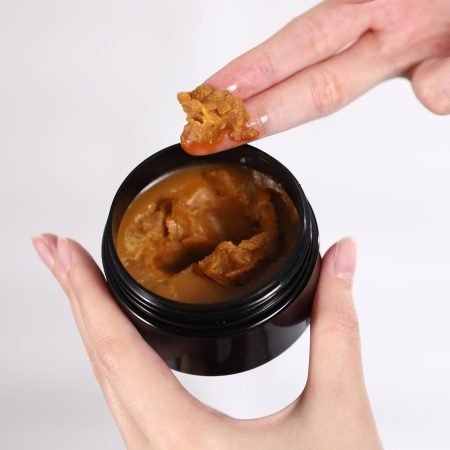
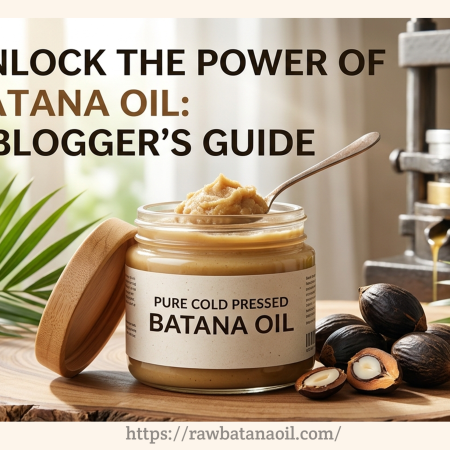
Batana oil is a rare, cold-pressed oil extracted from the fruit of the American oil palm (Elaeis oleifera), a tree that grows deep in La Mosquitia — the remote, biodiverse rainforest region of Honduras. For hundreds of years, the Miskito people of this region have called batana oil “the oil of life,” using it not just for skin but specifically for hair — to maintain long, thick, brilliantly shiny strands in one of the world’s most challenging climates.
The Miskito didn’t need a chemistry degree to understand what this oil does. Generations of use taught them that batana oil transformed hair: strengthening it, darkening it, and giving it a gloss that didn’t wash away after a single shower.
Today, the world is catching up.
At rawbatanaoil.com, our batana oil is sourced directly from Miskito communitiesin La Mosquitia, extracted using traditional cold-press methods that preserve every active compound intact. Nothing is refined. Nothing is stripped. What you get is the same oil the Miskito people have trusted for over 500 years — bottled and delivered to your door with free worldwide shipping.
The Science of Shine: How Batana Oil Works on Your Hair
This is where it gets interesting. Batana oil’s shine-giving power isn’t magic — it’s chemistry. And once you understand the science, you’ll see why nothing else quite replicates it.
Oleic Acid: The Deep Penetrator
Batana oil is exceptionally rich in oleic acid, an omega-9 monounsaturated fatty acid that makes up the majority of its fatty acid profile. What makes oleic acid special for hair is its molecular size — it’s small enough to actually penetrate the hair shaft, passing through the cuticle and into the cortex (the inner core of the strand).
Once inside, oleic acid does something remarkable: it replenishes the hair’s natural lipid matrix. Every hair strand has an internal lipid layer that acts like a moisture reservoir and structural binder. When this layer is depleted by damage, heat, or chemical processing, the strand weakens and the cuticle begins to lift. Oleic acid restores this layer from the inside out, helping the cuticle lie flat again — which is the foundation of real, lasting shine.
This is fundamentally different from how silicone works. Silicone sits on top of the cuticle. Oleic acid works from within the strand.
Linoleic Acid: The Barrier Builder
Batana oil also contains a meaningful amount of linoleic acid, an omega-6 fatty acid that plays a different but equally important role. Linoleic acid is a key component of the skin and scalp’s natural barrier function. When applied to hair, it helps strengthen the outermost cuticle layer, reducing porosity and helping the strand retain moisture over time.
Here’s why this matters for shine: high-porosity hair (hair that absorbs and loses moisture rapidly) is one of the primary causes of chronic dullness. By reinforcing the cuticle barrier, linoleic acid helps your hair hold onto moisture longer — keeping strands plump, smooth, and reflective throughout the day.
Tocopherols (Natural Vitamin E): The Surface Protectors
First, they protect the hair from oxidative stress. UV radiation, pollution, and even ordinary air exposure cause oxidative damage that degrades the hair’s surface proteins and causes color to fade and dull. Tocopherols neutralize the free radicals responsible for this damage, preserving the hair’s surface integrity and color vibrancy — both of which contribute directly to visual shine.
Second, tocopherols condition the scalp, which is where healthy hair growth begins. A well-nourished scalp produces hair strands that are structurally sound from the root — and structurally sound hair has a naturally smooth cuticle from day one.
Phytosterols: The Cuticle Smoothers
Lesser-known but equally important are the phytosterols in batana oil. These plant-derived compounds are structurally similar to the natural sterols found in healthy hair. When applied to damaged or porous hair, phytosterols adsorb (bond) to the cuticle surface, physically filling in micro-gaps and roughnessin the cuticle scale. The result is a smoother, more uniform surface — and a smoother surface means more uniform light reflection, which means more visible shine.
Think of phytosterols as a natural, plant-based “gap filler” for your cuticle — working alongside oleic acid’s internal repair to create shine from both directions simultaneously.
Batana Oil vs. Other Shine-Boosting Oils: How Does It Compare?
You might be wondering: what about argan oil? Or coconut oil? Or jojoba? They all get recommended for shine — so what makes batana different?
The answer lies in the combination of what batana oil contains and what it doesn’t contain.
Argan oil is excellent for surface shine and is rich in Vitamin E, but it sits more superficially on the hair and doesn’t penetrate as deeply as batana oil’s oleic acid profile allows. It’s a great finisher but less effective for deep repair.
Coconut oil is famous for penetrating the hair shaft due to its lauric acid content, but it can actually make high-porosity hair feel dry and protein-heavy over time. It’s also comedogenic for many scalp types. Batana oil, by contrast, is much better tolerated across all hair types.
Jojoba oil is technically a liquid wax, not an oil, and mimics sebum beautifully — but its molecular structure limits deep cuticle penetration. It conditions the surface without addressing internal damage.
Batana oiluniquely combines deep shaft penetration (oleic acid), cuticle barrier reinforcement (linoleic acid), antioxidant protection (tocopherols), and physical cuticle smoothing (phytosterols) — all in one cold-pressed, unrefined formula. It doesn’t just produce shine; it earnsshine by actually improving hair health.
Getting that mirror-like gloss from batana oil is straightforward — but technique matters. Here’s how to apply it for the best results.
For a deep conditioning shine treatment (once or twice weekly):
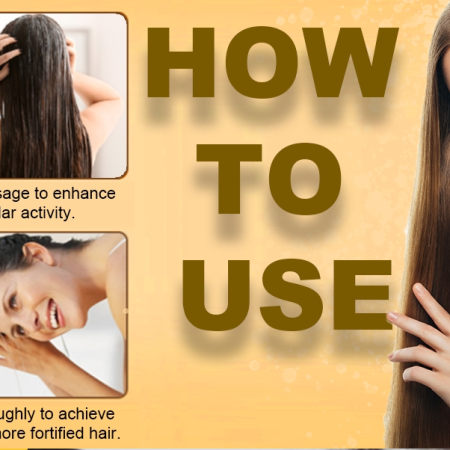
Warm a small amount of batana oil between your palms — about a hazelnut-sized amount for medium-length hair, slightly more for very thick or long hair. Apply it to dry or slightly damp hair, working from mid-lengths to ends and gently massaging into the scalp if desired. Leave it on for a minimum of 30 minutes, or overnight under a shower cap for a more intensive treatment. Wash out with your regular shampoo.
For a daily shine finisher:
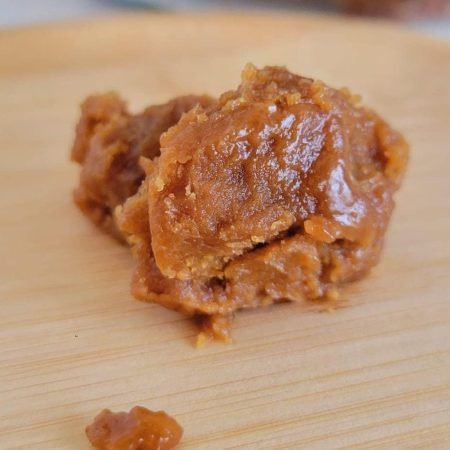
Use just 1–2 drops of batana oil warmed between your fingertips, and apply lightly to dry, styled hair — focusing on the ends and any areas that look dull or frizzy. Because raw batana oil is unrefined and not diluted with lighter carrier oils, a very small amount goes a long way. Start minimal and build up.
For scalp and root health:
Massage a few drops into your scalp once or twice a week before washing. A healthy, well-nourished scalp produces hair with a naturally smooth cuticle structure from the very base — and that foundational structure is what allows shine to develop and persist over time.
Pro tip: Raw batana oil has a naturally earthy, smoky, nutty scent that is distinctive and beloved by many of our customers. If you’re sensitive to scent, the lighter “daily finisher” application method is easier to integrate into your routine than an overnight mask.
What Results Can You Realistically Expect?
This is a question worth answering honestly. Batana oil is not an overnight miracle — and any brand that tells you otherwise is overselling.
In the first 1–2 uses, most people notice immediate surface improvements: reduced frizz, softer texture, and a visible increase in shine — particularly on the ends of the hair. This is the phytosterol and tocopherol effect working on the surface.
After 2–4 weeks of consistent use, the deeper oleic acid penetration begins to accumulate. Hair that was previously dry, porous, or frizzy starts to feel more plump and resilient. Shine becomes more consistent throughout the day, not just immediately after washing.
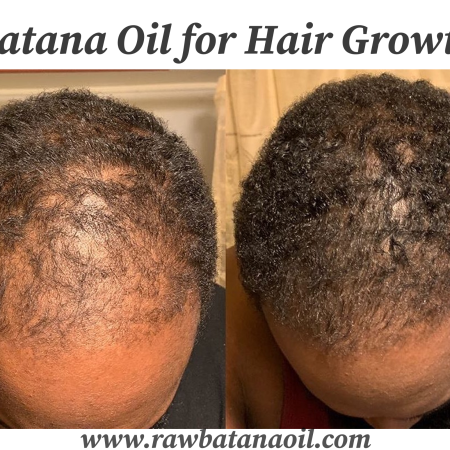
After 6–8 weeks, users with damaged or chemically processed hair often report the most dramatic results — improved elasticity, reduced breakage, noticeably increased overall luster, and sometimes visible improvement in hair density around previously thin areas. This longer-term effect is whyour customers leave such detailed, enthusiastic reviews — with over 2,400 verified reviews from real users who stuck with it.
At-a-Glance: Batana Oil Shine Benefits Summary
Benefit
How Batana Oil Delivers It
Mirror-like surface gloss
Phytosterols smooth the cuticle surface for uniform light reflection
Deep, lasting shine
Oleic acid penetrates and repairs the hair’s internal lipid matrix
Frizz reduction
Linoleic acid reinforces the cuticle barrier and reduces porosity
Color vibrancy
Tocopherols protect against UV and oxidative color fading
Root-to-tip shine
Scalp nourishment supports naturally smooth new hair growth
Long-term improvement
Cumulative cuticle repair builds shine that doesn’t require daily product
Frequently Asked Questions
Does batana oil actually make hair shiny?
Yes — and not in the synthetic, surface-coating way that silicone serums do. Batana oil creates shine through a combination of deep cuticle repair (oleic acid penetrating the hair shaft), surface smoothing (phytosterols filling in cuticle gaps), and antioxidant protection (tocopherols reducing oxidative dullness). The result is shine that reflects genuine hair health, not just a cosmetic overlay that washes out.
How long does it take for batana oil to make hair shiny?
Most people notice an immediate improvement in surface shine and frizz reduction from their first use. Deeper, more sustained shine — the kind that persists through washing and styling — typically develops over 2–6 weeks of consistent weekly use, as the oil’s fatty acids work to repair the internal lipid structure of each strand.
Can I use batana oil for shiny hair every day?
You can, but it’s not necessary — and for most hair types, using it daily as a leave-in can lead to buildup over time. The most effective approach is to use a small amount (1–2 drops) as a daily finisher on dry hair, and do a deeper conditioning treatment 1–2 times per week. This gives you the shine benefits without weighing hair down.
Will batana oil make my hair look greasy instead of shiny?
This is the most common concern, and the answer is: only if you use too much. Raw, unrefined batana oil is denser than many lightweight hair oils, so a little truly goes a long way. Start with a single drop on dry hair and assess before adding more. On clean, dry hair, the right amount produces a glossy, healthy-looking sheen — not greasiness.
Is batana oil good for shine on all hair types?
Batana oil works across a wide range of hair types, but it tends to be especially transformative for coily, curly, thick, and chemically treated hair — hair types that are inherently more porous and more prone to dullness and frizz. For very fine or straight hair, use an even smaller amount to avoid over-conditioning, and focus application on mid-lengths and ends rather than roots.
Where does authentic batana oil come from?
Authentic batana oil comes from the fruit of Elaeis oleifera — the American oil palm — which grows in the La Mosquitia rainforest region of Honduras. It has been used for centuries by the Miskito people, who cold-press the oil using traditional methods passed down through generations. At rawbatanaoil.com, we source directly from Miskito communities to ensure authenticity, ethical trade, and the preservation of a living cultural tradition.
Does batana oil smell nice?
Batana oil has a distinctive natural scent — earthy, smoky, and slightly nutty — that comes from its completely unrefined state. It is nothing like the neutral or lightly fragranced oils you might be used to. Many of our customers grow to love it as part of the oil’s authenticity. The scent generally dissipates within an hour or two of application on hair.