If you’ve been staring at your part line wondering whether those thinner patches are gone for good, you’ve probably typed some version of “batana oil dormant follicles” into Google at 1 a.m. You’re not alone, and it’s a fair question to ask before you spend money on anything.
Here’s the short answer: batana oil can’t force a follicle to do anything by itself, but it can create the kind of scalp environment that makes it easier for a follicle that’s simply resting to wake back up on its own schedule. That distinction matters, so let’s slow down and actually walk through it — the biology, what’s really in this oil, and where the evidence stands.
First, What Does “Dormant Follicle” Actually Mean?
Every hair on your head is on its own clock, cycling through three phases:
- Anagen (growth): the active phase, lasting anywhere from 2 to 7 years. Most of the hair on a healthy scalp — roughly 85–90% — is in this phase at any given time.
- Catagen (transition): a short, few-week phase where the follicle shrinks and growth halts.
- Telogen (rest): the follicle sits inactive for about 2–4 months before either shedding the old hair and restarting anagen, or staying stuck.
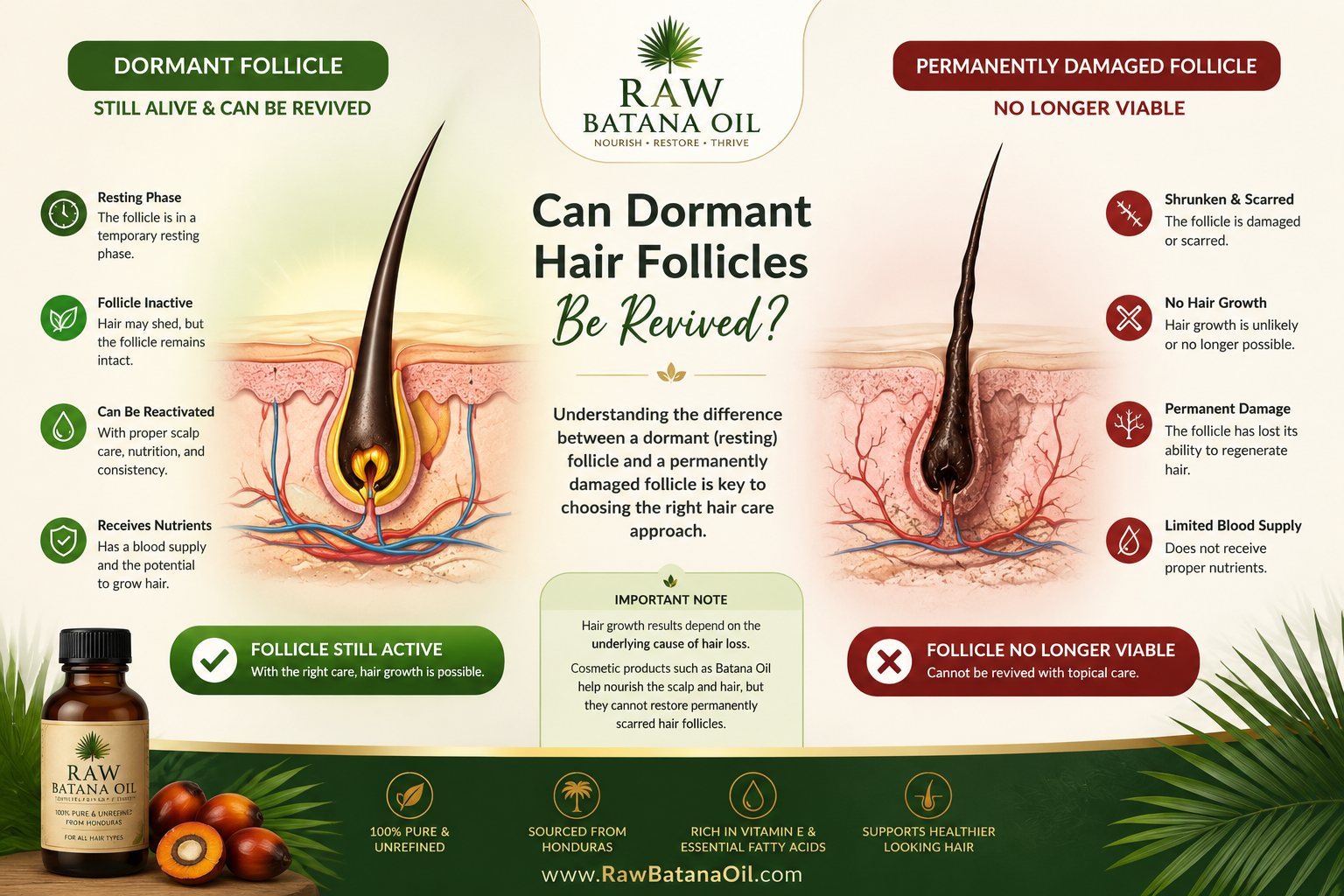
A “dormant” follicle is one that’s parked in telogen longer than it should be. It hasn’t died — the stem cells at the base of the follicle are simply waiting for the right signal to restart the cycle. Stress, illness, thyroid changes, postpartum hormone shifts, iron or protein deficiency, and poor scalp circulation are common reasons a follicle overstays its welcome in this resting phase.
Dormant, Miniaturized, or Dead? The Difference Actually Matters
This is the part most articles skip, and it’s the part that determines whether any oil, serum, or routine has a realistic shot at helping you:
- Dormant (telogen-stuck) follicles — alive, structurally intact, just paused. These are the most likely to respond to improved scalp conditions and time.
- Miniaturizing follicles — typically from androgenetic (pattern) hair loss, where follicles shrink with each cycle and produce progressively finer hair. These can sometimes be slowed or partially revived, but usually need clinically proven interventions like minoxidil, and the earlier you catch it, the better.
- Dead or scarred follicles — lost to long-term scarring conditions or years of untreated miniaturization. No oil, massage, or serum brings these back. Anything that claims otherwise isn’t being straight with you.
Knowing which category you’re in changes everything, and a dermatologist or trichologist can usually tell with a scalp exam. Diffuse, recent thinning tends to fall into the first two categories; long-standing smooth bald patches usually fall into the third.
What’s Actually Inside Batana Oil
Batana oil is cold-pressed from the nuts of Elaeis oleifera, the American oil palm native to Honduras’s La Mosquitia rainforest, where the Miskito people have processed it by hand for centuries. Strip away the marketing and here’s what the composition actually looks like:
- Oleic acid (omega-9), roughly 50–65% — a monounsaturated fatty acid small enough to penetrate the hair shaft and reduce the protein loss that happens with washing and heat styling.
- Linoleic acid (omega-6), 10–15% — supports the scalp’s lipid barrier and helps calm irritation.
- Palmitic and stearic acids — coat the hair fiber, sealing in moisture and reducing breakage.
- Tocopherols (vitamin E) — batana oil is notably rich here. Tocopherols are antioxidants that neutralize oxidative stress, a factor known to accelerate follicle aging.
- Carotenoids — precursors to vitamin A, responsible for the oil’s reddish-brown color, involved in supporting healthy cell turnover.
None of this is unique to batana oil — argan, olive, and jojoba oils share overlapping fatty acid profiles. What sets batana apart is the concentration of tocopherols and the fact that it’s traditionally used raw and unrefined, keeping more of these compounds intact than heavily processed oils.
So Does It Actually Wake Up Dormant Follicles?
Here’s where an honest article has to slow down instead of promising a miracle.
There is currently no large-scale, peer-reviewed clinical trial that specifically tested batana oil on human dormant follicles. That’s true of most single-ingredient natural oils — the clinical trial pipeline is expensive, and most funding goes toward pharmaceutical treatments like minoxidil and finasteride, which do have that level of evidence behind them.
What does exist is a reasonable, mechanism-based case, built from what’s well established in scalp biology:
- Dormant follicles are more likely to respond when circulation and nutrient supply to the scalp improve. Massaging any oil into the scalp increases local blood flow, and the daily massage habit itself has shown measurable effects on hair thickness in small studies — independent of which oil is used.
- A follicle sitting in a compromised, oxidative, or nutrient-poor microenvironment has a harder time re-entering anagen. Batana oil’s antioxidant load (tocopherols, carotenoids) is the kind of input that supports a healthier follicular environment, even if it isn’t a direct “wake-up switch.”
- A dry, inflamed, or flaky scalp is a documented barrier to healthy hair cycling. Batana oil’s fatty acid profile helps restore the scalp’s lipid barrier, which can reduce one of the many stressors keeping follicles in prolonged rest.
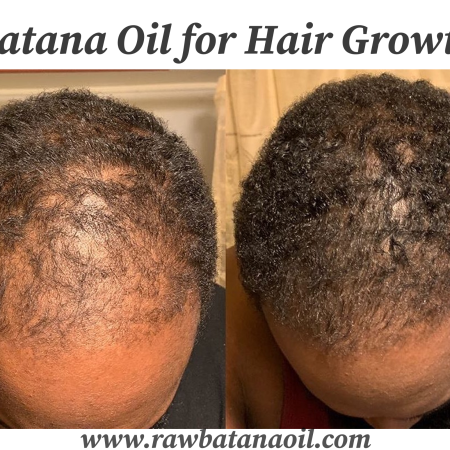
In plain terms: batana oil is unlikely to be the single trigger that flips a follicle from telogen to anagen, but it can help remove some of the everyday friction — dryness, oxidative stress, poor circulation — that keeps a resting follicle from restarting on its own timeline. That’s a meaningfully different (and more honest) claim than “revives dead follicles,” and it’s the reason so many people report visible improvement in shedding and new growth along the hairline after weeks of consistent use — they’re not reactivating anything that was gone, they’re supporting follicles that were always going to come back, just faster and in better shape.
Who Is Most Likely to See Results
Batana oil is best suited to:
- People with recent, diffuse shedding tied to stress, postpartum changes, illness, or nutritional gaps — the classic telogen-stuck scenario.
- People with a dry, flaky, or irritated scalp that may be adding to shedding.
- People with heat or chemically damaged hair who want stronger, shinier strands while the underlying follicle issue resolves.
It’s a poor substitute for medical treatment if you’re dealing with diagnosed androgenetic alopecia, alopecia areata, or scarring alopecia — those situations call for a dermatologist and, often, prescription treatment. Batana oil can still be a useful part of a scalp-care routine alongside those treatments, just not instead of them.
How to Use Batana Oil If You’re Trying to Support Dormant Follicles
Consistency matters more than quantity here. A simple routine:
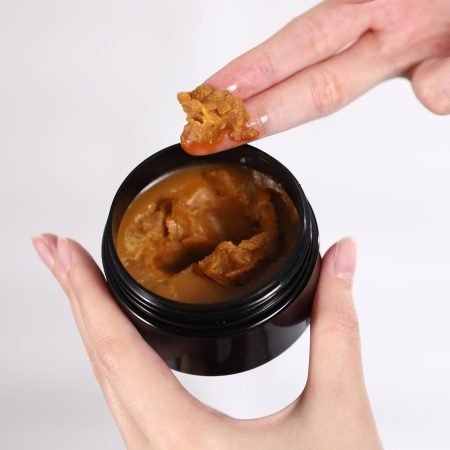
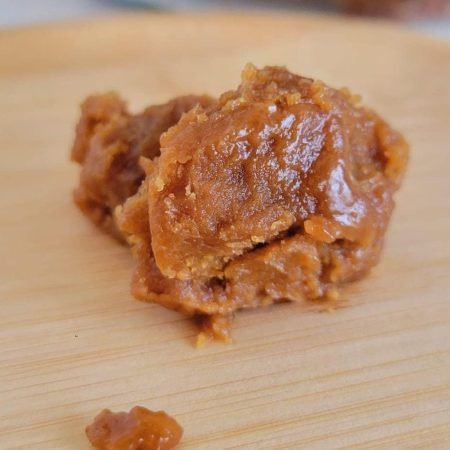
- Warm a small amount of 100% Raw batana oil between your palms until it softens.
- Massage it into the scalp with your fingertips for 2–3 minutes, focusing on thinning areas, to encourage circulation.
- Leave it on for at least 30 minutes, or overnight for a deeper treatment, then rinse with a sulfate-free shampoo.
- Repeat 2–3 times a week. More isn’t necessarily better — over-oiling can leave buildup that clogs follicles rather than helping them.
For a full step-by-step breakdown, see our complete application guide.
A Realistic Timeline
Hair biology moves slowly, and no oil changes that. A telogen follicle typically needs 2–4 months just to complete its resting phase before a new hair even starts pushing through, and that new hair then needs additional weeks to become visible above the scalp. Most people who stick with a consistent routine report:
- Weeks 1–4: softer texture, less breakage, reduced flaking.
- Weeks 6–8: less hair in the shower drain if shedding was the main issue.
- Months 3–4: the first signs of finer new growth along the hairline or part, if the underlying cause has resolved.
If you see no change at all by month four, or if you notice smooth, shiny bald patches rather than fine regrowth, that’s a signal to talk to a dermatologist rather than extend the routine further.
Frequently Asked Questions
Can batana oil regrow hair on a completely bald spot? No. If a follicle is truly dead or scarred, no topical oil — batana or otherwise — can bring it back. Batana oil works with follicles that are still alive but resting.
How is a dormant follicle different from a dead one? A dormant follicle is alive and stuck in the resting (telogen) phase of the hair cycle. A dead or scarred follicle has lost its structure entirely and cannot produce hair again, regardless of treatment.
How long does it take to see results from batana oil on thinning hair? Most people notice softer, less brittle hair within a few weeks, and any real change in shedding or new growth typically takes 8–16 weeks of consistent use, since that mirrors the natural hair growth cycle.
Is batana oil a substitute for minoxidil or other hair loss treatments? No. Batana oil can support scalp health and complement a treatment plan, but it hasn’t been through the clinical trials that back FDA-approved treatments like minoxidil. If you have diagnosed hair loss, it’s worth using alongside medical guidance rather than instead of it.
Does massaging the scalp matter as much as the oil itself? Yes, to a real extent. The massage improves circulation to the follicle, and that mechanical stimulation is part of what’s believed to help — the oil adds moisture, antioxidants, and a smoother glide to that massage.
The Bottom Line
Batana oil isn’t a magic switch for dormant follicles, and any brand telling you otherwise is overselling it. What it does offer — a dense fatty acid and antioxidant profile that supports scalp health, reduces breakage, and pairs naturally with the circulation-boosting habit of scalp massage — is a legitimate, if supporting, role in helping resting follicles complete their cycle in better shape. Pair it with patience, a healthy diet, and medical guidance if your shedding is more than seasonal, and it becomes one solid piece of a realistic hair-recovery routine rather than a false promise.
Ready to try it for yourself? Shop our 100% pure, cold-pressed batana oil, sourced directly from Miskito communities in Honduras.