- Free Shipping on All Orders -100% Authentic Batana Oil from Honduras

If you’ve been searching for the best natural oil for hair growth, you’ve probably come across batana oil vs palm oil — and wondered whether they’re actually the same thing. They both come from palm trees, they both have a rich, golden color, and they’re both trending in the natural beauty world. So it’s easy to see why the confusion exists.
But here’s the short answer: no, batana oil and palm oil are not the same. They come from different species of palm tree, have completely different fatty acid profiles, and serve very different purposes. One is a traditional hair care treasure used for over 500 years by indigenous communities in Honduras. The other is primarily a food and industrial product.
Let’s break it down clearly so you can make an informed decision for your hair and skin.
TL;DR — Quick Answer
| • Batana oil (Elaeis oleifera) and palm oil (Elaeis guineensis) are different plant species. |
| • Batana oil is used for hair and skin; palm oil is used in food and industrial products. |
| • Batana oil is rich in oleic and linoleic acids that nourish follicles. Palm oil is not designed for hair. |
What Is Batana Oil?
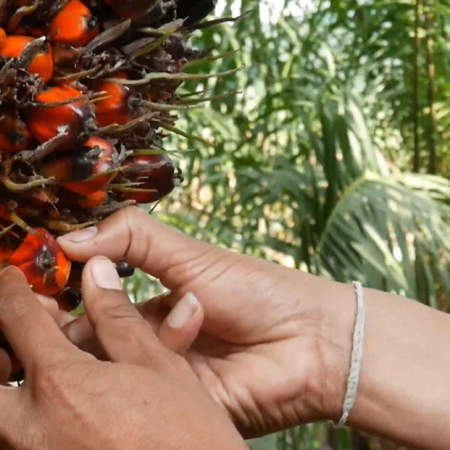
Batana oil is a nutrient-rich oil extracted from the nuts of the American palm tree, known scientifically as Elaeis oleifera. This tree grows in the tropical rainforests of Central and South America — most notably in La Mosquitia, a remote region in eastern Honduras.
For over 500 years, the indigenous Miskito people of Honduras have harvested these palm nuts and hand-pressed them using traditional cold-press methods to produce raw batana oil. The Miskito are sometimes called the ‘Tawira,’ which translates to ‘people of beautiful hair’ — a testament to just how deeply this oil is woven into their culture and daily life.
Unlike heavily processed commercial oils, authentic raw batana oil from Honduras is cold-pressed and completely unrefined. This preserves its full natural profile: high levels of oleic acid, linoleic acid, tocopherols (Vitamin E), and powerful antioxidants. The result is a dark golden-brown oil with a creamy, solid texture and a distinct earthy, nutty aroma — often compared to roasted coffee.
Explore the full benefits of raw batana oil on our dedicated page.
What Is Palm Oil?
Palm oil is extracted from the fleshy pulp — called the mesocarp — of the fruit of the African oil palm tree, Elaeis guineensis. This tree is native to West and Central Africa and is now widely cultivated across Southeast Asia, particularly in Malaysia and Indonesia.
Palm oil is one of the most widely produced vegetable oils in the world. Its primary uses are in the food industry — cooking oils, margarine, packaged snacks, and processed foods — as well as in cosmetics, soaps, and biodiesel. It has a striking reddish-orange color when unrefined, thanks to its very high beta-carotene content. At room temperature, it’s semi-liquid and turns solid when chilled.
While palm oil does contain some Vitamin E and antioxidants, it is high in palmitic acid — a saturated fat — which makes it a controversial ingredient in both the dietary world and the beauty industry. It is not traditionally used as a standalone hair treatment and was never intended as one.
Batana Oil vs Palm Oil: At-a-Glance Comparison
Here’s a quick side-by-side breakdown of the key differences between batana oil and palm oil:
| Category | Batana Oil | Palm Oil |
| Plant species | Elaeis oleifera (American palm) | Elaeis guineensis (African oil palm) |
| Color & texture | Dark golden-brown; solid/creamy | Bright reddish-orange; semi-liquid |
| Main fatty acids | Oleic acid, linoleic acid | Palmitic acid, beta-carotene |
| Primary use | Hair & skin care | Food, cooking & industrial |
| Environmental impact | Sustainable, small-batch harvest | Linked to deforestation |
| Hair & skin use | Excellent — nourishes follicles | Not recommended for hair/skin |
Key Difference #1 — Different Plant Species
The most fundamental difference between batana oil and palm oil starts at the botanical level. Both oils come from the genus Elaeis — which is why people often lump them together — but they are entirely different species with distinct characteristics.
Batana oil comes from Elaeis oleifera, the American oil palm. Palm oil comes from Elaeis guineensis, the African oil palm. While these two trees look similar on the outside, their fruits, kernels, and the oils they produce are chemically and nutritionally distinct.
Think of it like comparing a lemon and a lime. Both are citrus fruits — same family, similar appearance — but they taste different, have different nutritional profiles, and are used in completely different ways. The same logic applies here. Elaeis oleifera and Elaeis guineensis share a genus but are not interchangeable.
Another important note: batana oil is extracted from the kernel (the inner nut) of the Elaeis oleifera fruit. Palm oil is extracted from the outer pulp (mesocarp) of the Elaeis guineensis fruit. Even within the same species, the kernel oil and the fruit pulp oil are chemically very different — which is why batana oil and palm oil should never be considered the same product.
Key Difference #2 — Appearance and Texture
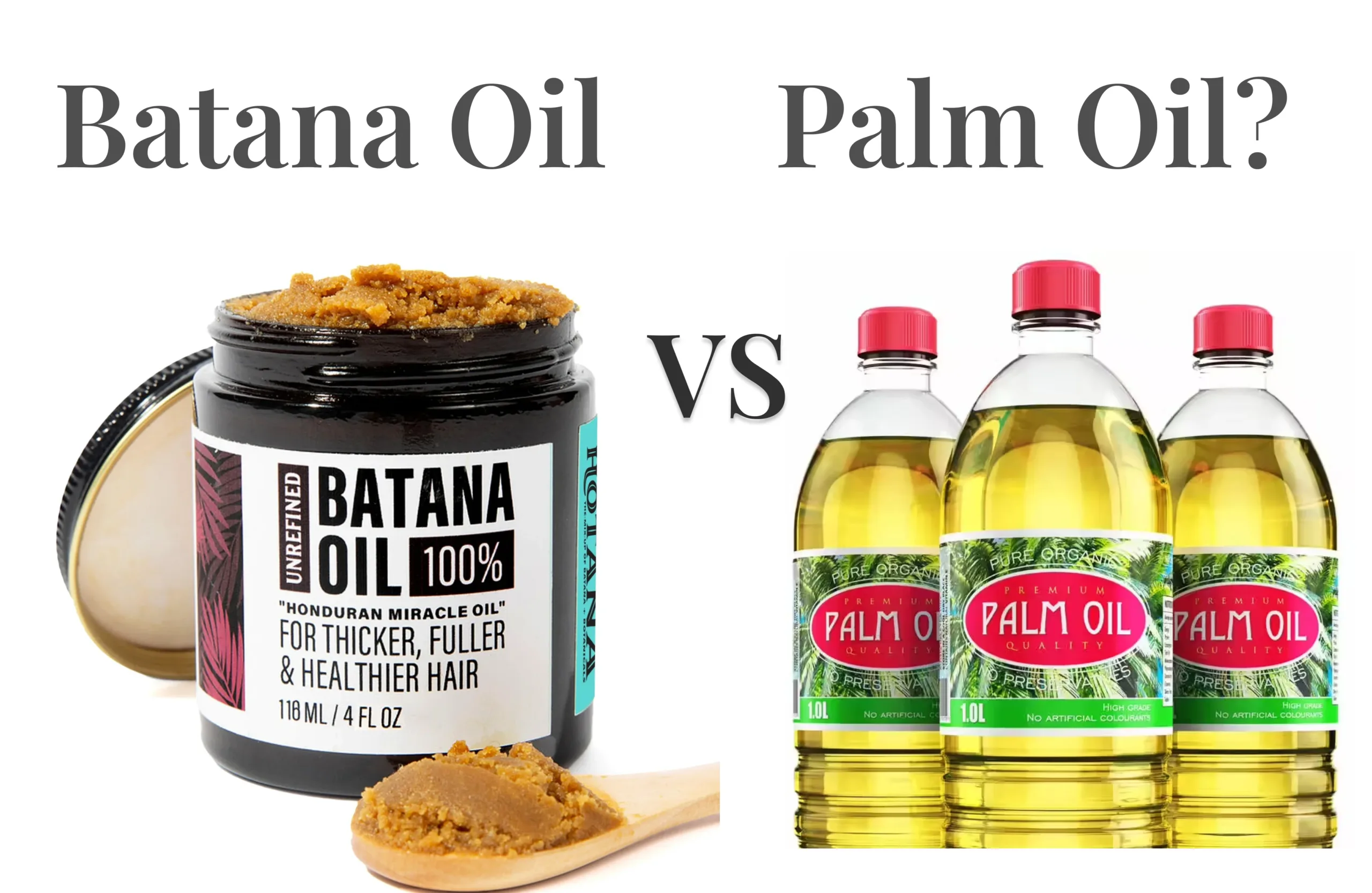
If you placed a jar of raw batana oil and a jar of unrefined palm oil next to each other, you would immediately see the difference.
Raw Batana Oil
Authentic raw batana oil from Honduras has a deep golden-brown to dark chocolate color. At cooler room temperatures, it is solid and creamy — almost like a soft balm. When you warm it between your palms, it melts into a silky, rich oil that glides through your hair. It has a distinct natural aroma: earthy, nutty, and reminiscent of roasted coffee. That smell is actually a sign of authenticity — it means the oil is genuinely unrefined and traditionally extracted.
Palm Oil
Unrefined palm oil, by contrast, is a vivid reddish-orange — almost like a thick tomato sauce. This color comes from its extremely high beta-carotene (a precursor to Vitamin A) content. It has a semi-liquid texture at room temperature, turning fully liquid when warmed. Its smell is mild and fatty — nothing like batana oil’s earthy depth.
Refined palm oil (the kind used in most commercial food products) is stripped of its color and turned into a pale, near-odorless, white solid. It bears almost no resemblance to raw batana oil in any way.
Key Difference #3 — Fatty Acid Profile and Hair Benefits
This is where the real difference lies — and where batana oil truly shines for hair care.
Batana Oil’s Fatty Acid Profile
Raw batana oil is rich in oleic acid (an omega-9 monounsaturated fat) and linoleic acid (an omega-6 essential fatty acid). These are the two fatty acids most associated with deep hair shaft penetration and follicle nourishment.
Oleic acid has a molecular structure small enough to actually penetrate the hair shaft — not just coat it on the outside. Once inside, it helps strengthen the hair fiber from within, reduces moisture loss, and improves elasticity. For hair growth, oleic acid helps deliver nutrients deeper into the scalp and follicle bed. Combined with batana oil’s high tocopherol (Vitamin E) content, the result is a powerful combination of repair and rejuvenation that very few natural oils can match.
Linoleic acid, meanwhile, is an essential fatty acid your body cannot produce on its own. Studies show that linoleic acid deficiency is associated with dry, brittle hair and scalp conditions. Supplementing topically with linoleic-acid-rich oils like batana supports a healthier scalp barrier and can reduce excessive shedding.
Palm Oil’s Fatty Acid Profile
Palm oil, by contrast, is dominated by palmitic acid — a saturated fat. While palmitic acid isn’t harmful, it does not penetrate the hair shaft effectively. It sits on the surface and can create a film that actually weighs hair down or clogs follicles over time with repeated use. Palm oil also lacks the high Vitamin E tocopherol content found in unrefined batana oil.
Palm oil’s real strength is in food and industrial applications, not hair care. It has a long shelf life, neutral flavor when refined, and high smoke point for cooking — none of which are relevant to a hair treatment.
For a deeper look at what raw batana oil can do for your hair, read our full batana oil benefits guide.
Key Difference #4 — Sustainability and Cultural Heritage
The story of where an oil comes from matters — both for the quality of the product and the planet.
Batana Oil: A Living Cultural Tradition
Authentic raw batana oil from Honduras is produced by the Miskito indigenous communities of La Mosquitia — one of the most biodiverse and least-touched regions of Central America. The Miskito have been harvesting Elaeis oleifera nuts using the same ancestral techniques for over 500 years. The palms grow wild and are harvested sustainably without clearing forests or disrupting ecosystems. Production is small-batch and handcrafted, which also means better quality control and a product that retains its full natural potency.
At rawbatanaoil.com, we source our oil directly from these Miskito communities — no middlemen, fair trade pricing, and full traceability. Every jar you buy supports the livelihoods of the families who have perfected this craft across generations.
Palm Oil: A Global Environmental Concern
The palm oil industry tells a very different story. Large-scale Elaeis guineensis palm oil production — primarily in Indonesia and Malaysia — has been one of the leading drivers of tropical deforestation over the past three decades. Vast areas of rainforest and peatland have been cleared to make way for palm oil plantations, threatening orangutans, tigers, and countless other species. The resulting carbon emissions have made palm oil production a significant contributor to climate change.
While there are certified sustainable palm oil programs in place, they cover only a fraction of global production. The environmental footprint of commodity palm oil is simply incomparable to the small-scale, ecologically sensitive production of genuine Honduran batana oil.
Can You Substitute Palm Oil for Batana Oil?
No — and we’d strongly advise against it.
Palm oil is a food and industrial ingredient. Its fatty acid profile is not designed for topical hair treatment, and applying heavy palmitic-acid-rich oil to your scalp regularly can clog follicles rather than nourish them. It lacks the penetrating oleic and linoleic acids that give batana oil its deep conditioning and hair growth-supporting properties.
If you’re looking for a substitute that shares some of batana oil’s DNA, palm kernel oil (extracted from the seed of Elaeis guineensis, not the pulp) is slightly closer — but it still lacks the unique composition of authentic Elaeis oleifera batana oil from Honduras. There is simply no direct substitute for the real thing.
Frequently Asked Questions
Is batana oil the same as palm oil?
No. Batana oil and palm oil come from different species of palm tree, have different fatty acid profiles, and serve entirely different purposes. Batana oil (Elaeis oleifera) is a traditional hair and skin care oil from Honduras. Palm oil (Elaeis guineensis) is primarily used in food production and industry.
Is batana oil the same as palm kernel oil?
They are related but not identical. Both are kernel (seed) oils extracted from palm trees, but batana oil comes from Elaeis oleifera (American palm) while palm kernel oil typically refers to oil from Elaeis guineensis (African palm). Lab testing shows that authentic Honduran batana oil has a higher oleic acid content than African palm kernel oil, giving it a distinct fatty acid profile. Beyond chemistry, authentic batana oil also carries the cultural heritage of the Miskito people — a provenance no other oil can replicate.
Why is batana oil better than palm oil for hair?
Batana oil is rich in oleic acid and linoleic acid — fatty acids that penetrate the hair shaft, nourish follicles, and support healthy hair growth. Palm oil is dominated by palmitic acid, a saturated fat that sits on the surface of the hair and is not effective for deep conditioning or growth. Batana oil also has significantly higher Vitamin E (tocopherol) content, which repairs damage and protects hair fibers.
What does batana oil smell like compared to palm oil?
Authentic raw batana oil has a deep, earthy, nutty aroma — often described as similar to roasted coffee or dark chocolate. This smell is a sign of purity; it comes from the traditional roasting and cold-press extraction process. Unrefined palm oil, by contrast, has a mild, fatty smell. Refined palm oil is nearly odorless. If your batana oil has little to no scent, it may have been over-processed or diluted.
Where does authentic batana oil come from?
Authentic batana oil comes from La Mosquitia in eastern Honduras — a remote, biodiverse region where the Miskito indigenous communities have harvested Elaeis oleifera nuts and hand-pressed batana oil for over 500 years. Our raw batana oil is sourced directly from these Miskito families, ensuring you receive a 100% pure, ethically traded, and genuinely traditional product.
Is palm oil bad for hair?
Palm oil is not necessarily harmful if used sparingly, but it is not an effective hair treatment. Its high palmitic acid content does not penetrate the hair shaft, and regular use can leave a coating that weighs hair down. It was never traditionally used as a hair care oil — and for good reason. For genuine hair nourishment and growth support, raw batana oil is a far superior choice.
Ready to Experience the Real Thing?
Now that you know the difference between batana oil and palm oil, the choice is clear. If you’re serious about transforming your hair — whether you’re dealing with thinning, damage, dryness, or just want stronger, healthier growth — authentic raw batana oil from Honduras is in a league of its own.
At rawbatanaoil.com, we go directly to the source. Our oil is handcrafted by Miskito communities in La Mosquitia, cold-pressed using ancestral methods, and third-party lab tested for purity. Zero additives, zero fillers, zero compromises. Just the same oil the Tawira — ‘the people of beautiful hair’ — have trusted for over 500 years.
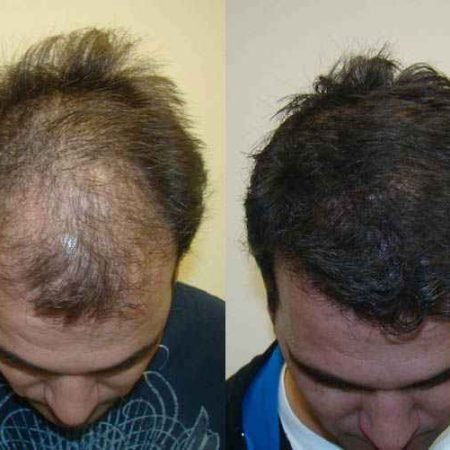
Over 2,400 customers have already made the switch and shared their results. Many report visible new growth, stronger strands, and a transformed scalp within just 4 to 6 weeks of consistent use.
Don’t settle for imitations. Shop our 100% pure batana oil — with free worldwide shipping and a 30-day money-back guarantee, there’s nothing to lose and everything to gain.