
Deep in the rainforests of Honduras, far from the nearest beauty aisle, a community of indigenous women have been growing some of the most striking, lustrous hair on the planet — for over 500 years. No serums. No keratin treatments. Just one thing, passed down through generations.
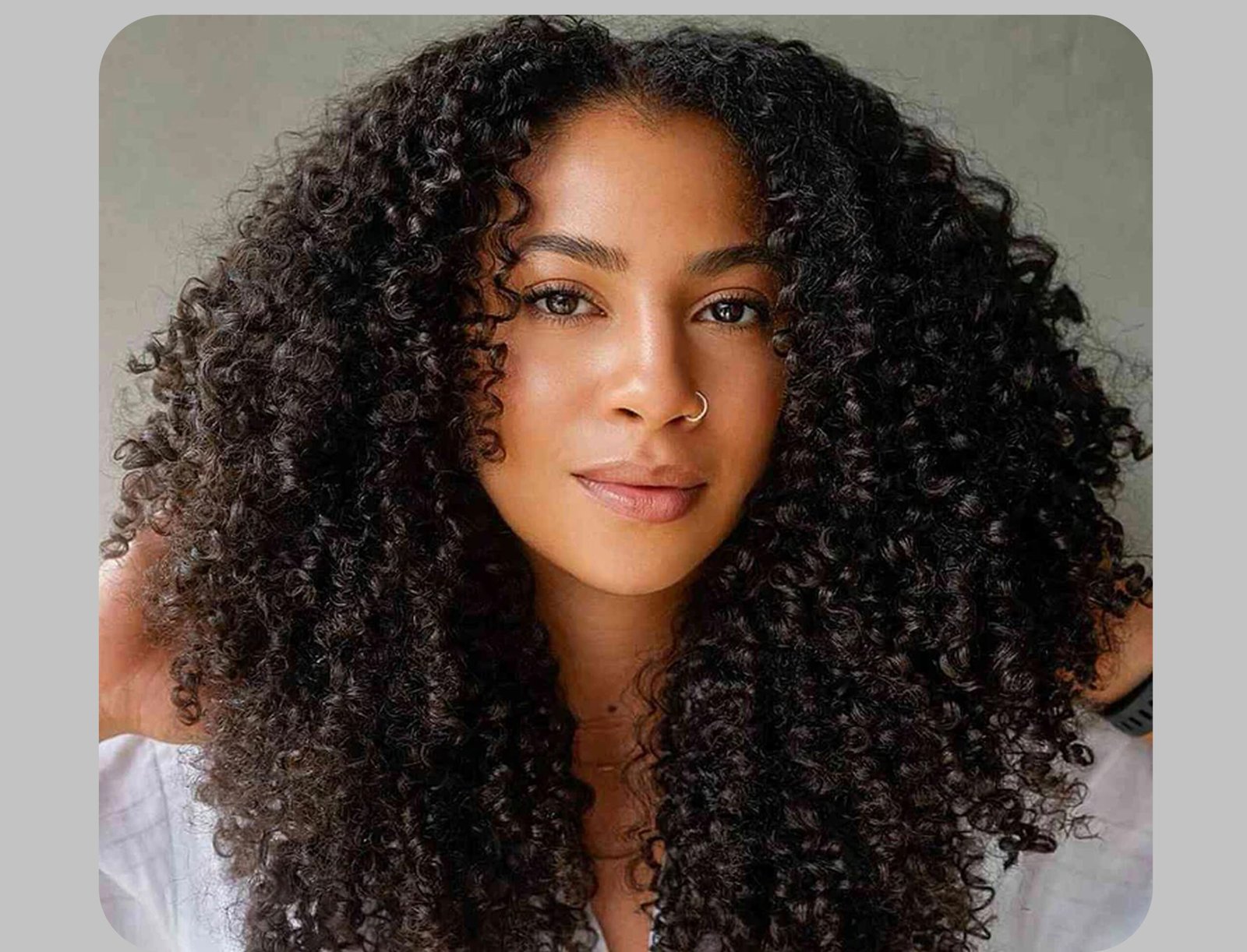
There’s a moment I think most people who’ve stumbled across Miskito hair care have experienced it where you see photographs of Tawira women and just stop. The hair is thick. Deeply dark. Incredibly alive-looking. And then you find out their “product” comes from a palm nut. Pressed by hand. No heat. No lab. No twelve-step routine.
Staff picks
-
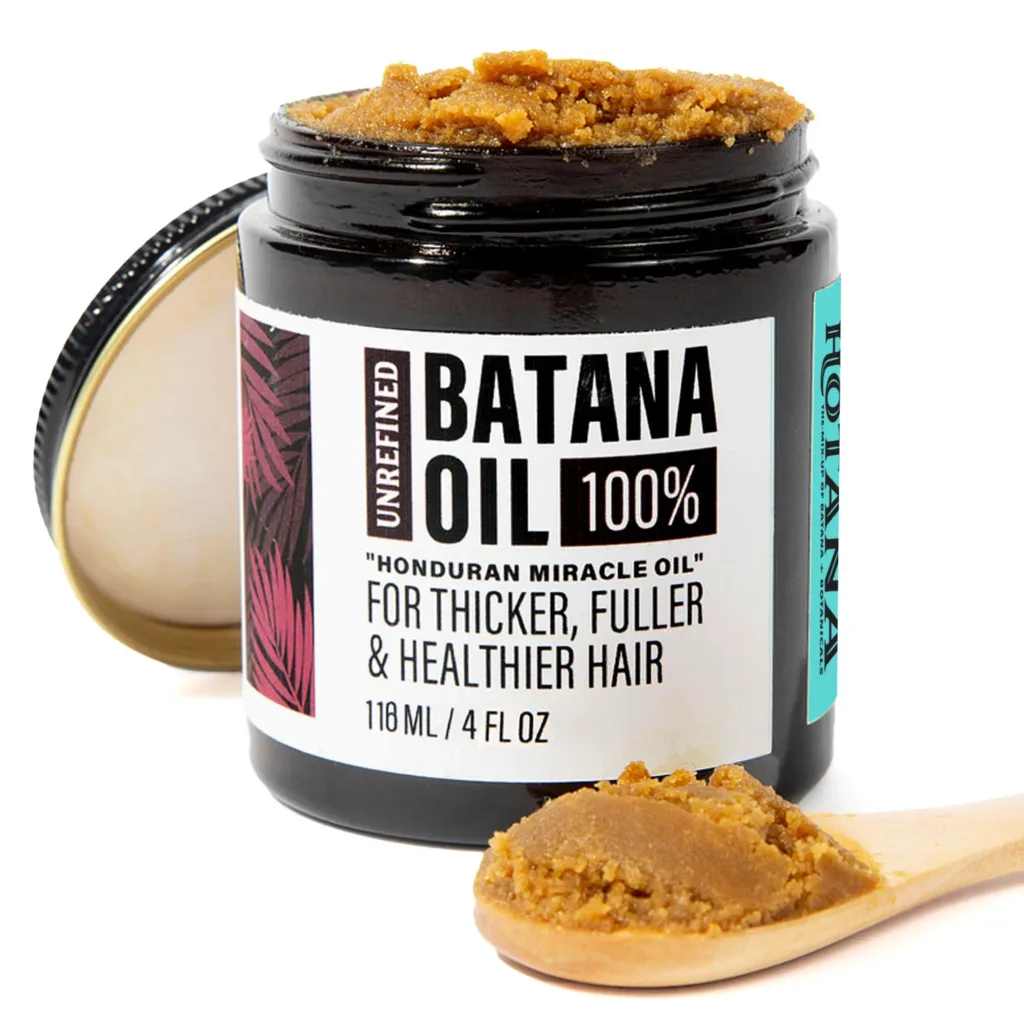
100% Pure Unrefined Batana Oil
Original price was: $40.00.$29.99Current price is: $29.99. -
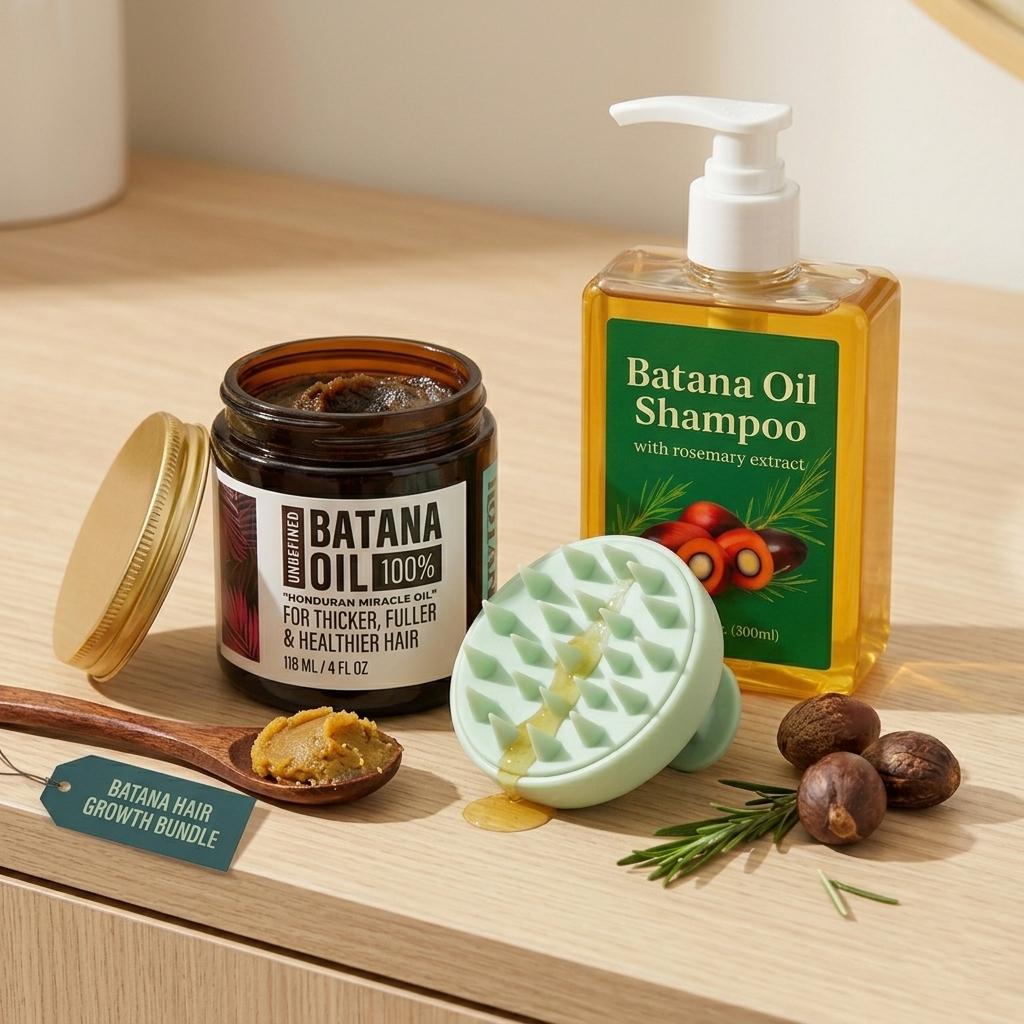
Batana Hair Growth Bundle
Original price was: $75.00.$59.99Current price is: $59.99. -
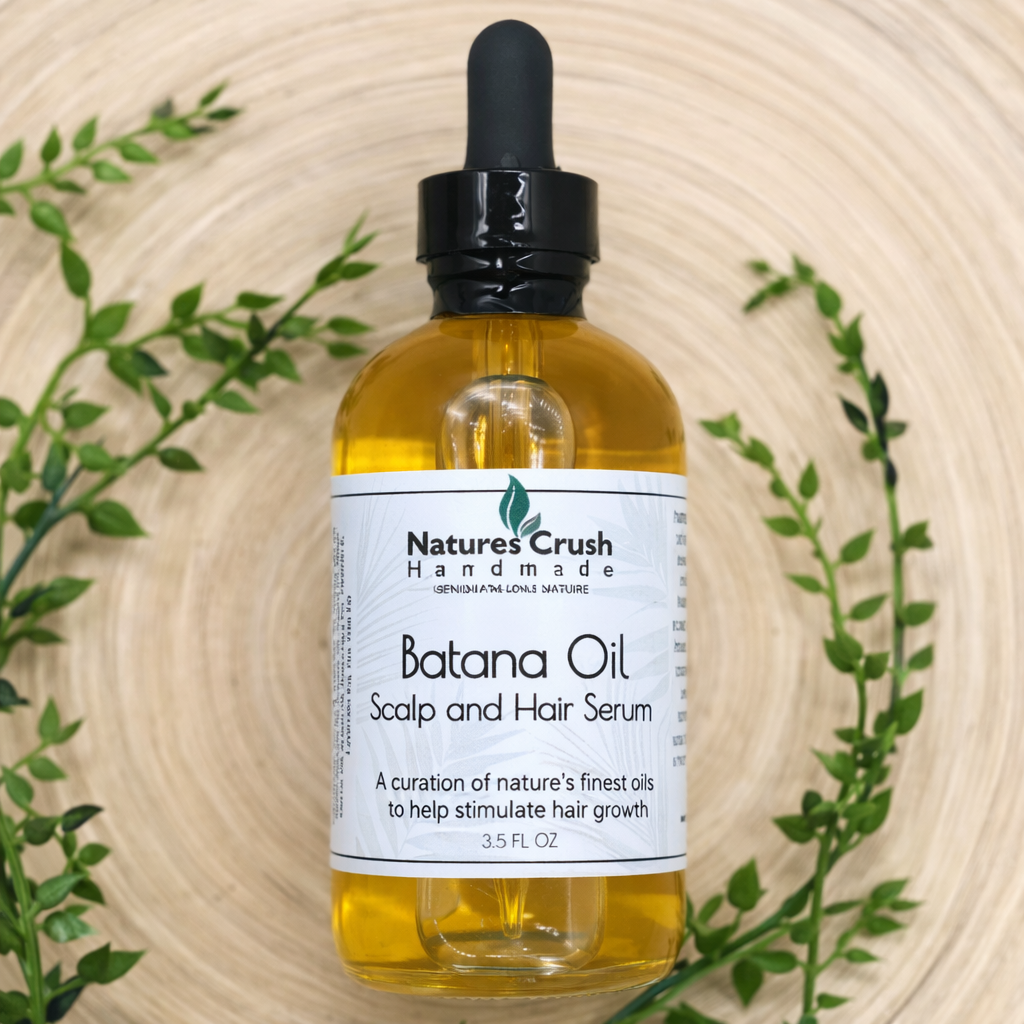
Batana Oil Serum
Original price was: $45.00.$30.00Current price is: $30.00. -
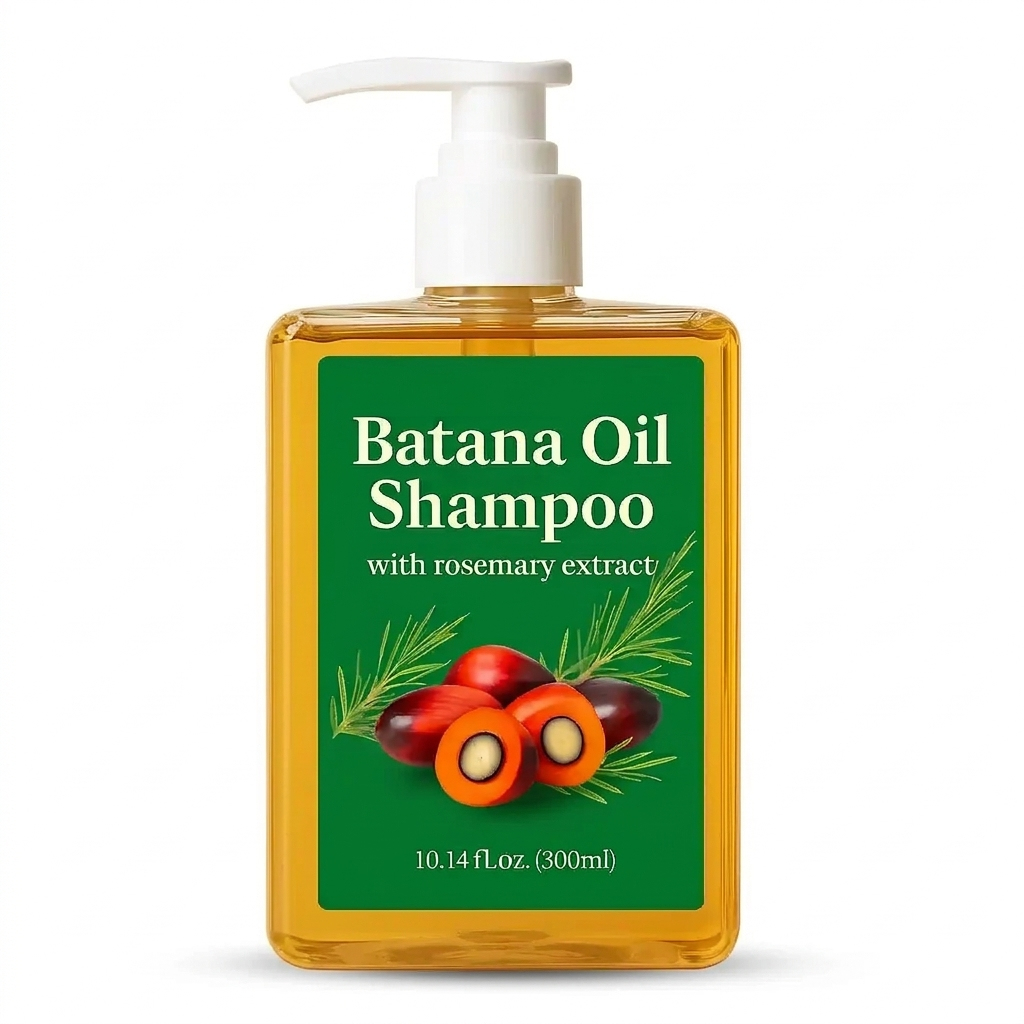
Batana Oil Shampoo
Original price was: $55.00.$29.99Current price is: $29.99.
It’s almost annoying, honestly. We spend hundreds on hair care and these women have quietly been getting it right since the 1500s.
So what exactly is their secret? And can it actually work for the rest of us? Let’s dig in.
Who are the Miskito people — and why does it matter?
The Miskito (sometimes spelled “Mosquito”) are an indigenous group living primarily along the Mosquito Coast the La Mosquitia region that spans eastern Honduras and Nicaragua. They’ve inhabited this remote stretch of Caribbean rainforest for centuries, largely cut off from the outside world, which — as it turns out — is part of why their traditional knowledge survived at all.
Within the broader Miskito community, there’s a subgroup known as the Tawira. The name itself is telling. Tawira, in the Miskito language, translates roughly to “people of beautiful hair.” That’s not just a nickname. It’s a cultural identity built around a very specific, very intentional approach to hair health.
Cultural context: The Tawira people’s relationship with hair goes beyond aesthetics — hair health in their culture reflects overall wellness, community identity, and connection to the land. The practice of oiling hair is ceremonial as much as it is practical.
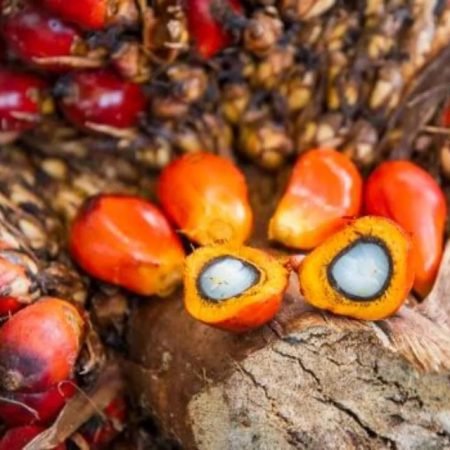
Hair, for the Tawira, isn’t just cosmetic. It’s tied to identity, community, and wellbeing. And the primary tool they’ve used to maintain it? Batana oil — extracted from the fruit of the American palm tree, Elaeis oleifera, which grows abundantly in their region.
What is batana oil, exactly?
Raw batana oil is a deep amber-colored oil pressed from the nuts of the Elaeis oleifera palm. It has a distinctive smell — earthy, slightly smoky, a bit like roasted coffee mixed with something woodsy. If your batana oil smells like nothing, that’s a red flag.
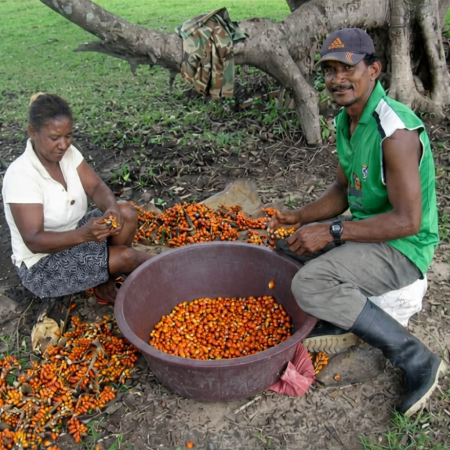
The traditional extraction process is entirely manual. The nuts are boiled, then the pulp is hand-pressed or worked until the oil separates. No solvents. No refining. No deodorizing. What comes out is a completely whole, unprocessed oil — which is precisely why it works.
“The Miskito don’t strip or refine their batana oil. That’s the whole point. The bioactive compounds that make it effective are the first things lost in commercial oil processing.” — Traditional extraction practices documented by ethnobotanical researchers
Nutritionally, raw batana oil is genuinely impressive. It’s rich in tocopherols (the natural form of Vitamin E), oleic acid, linoleic acid, and a range of plant-based antioxidants. These aren’t marketing claims — these are the same compounds that hair and scalp researchers have studied in peer-reviewed literature for decades. Vitamin E specifically has shown meaningful results in studies on hair growth and scalp circulation.
The science behind Miskito people’s hair health
Here’s where it gets interesting — because the “secret” isn’t just cultural mythology. There’s actual biology behind it.
Oleic acid and follicle penetration
Oleic acid (an omega-9 fatty acid) is one of the few oil compounds that can genuinely penetrate the hair shaft rather than just coating it. This is a big deal. Most commercial conditioners sit on the surface of hair and wash off. Oleic acid gets in — repairing structural damage from inside the strand. Batana oil is particularly high in it.
Tocopherols and scalp health
The tocopherol content in raw batana oil is exceptionally high — higher than in refined palm derivatives. Tocopherols are antioxidants that reduce oxidative stress on the scalp, which is one of the lesser-known contributors to hair thinning and loss. Less oxidative damage = healthier follicles = better growth conditions. It’s not magic. It’s chemistry.
Linoleic acid and moisture retention
Linoleic acid helps maintain the scalp’s lipid barrier — that thin, slightly oily layer that keeps moisture in and irritants out. When this barrier is disrupted (by over-washing, harsh shampoos, or environmental stress), you get dryness, flaking, and eventually weakened hair. Batana oil helps rebuild it.
Worth knowing
The Elaeis oleifera palm is related to the African oil palm (Elaeis guineensis), but produces an oil with a notably different fatty acid profile — particularly its higher unsaturated fat content, which many researchers consider superior for cosmetic applications.
How do the Miskito actually use it?
The traditional application is simple, almost meditative. A small amount of oil is warmed between the palms — batana is semi-solid at room temperature, so it melts from body heat alone — then worked into the scalp with slow, circular massage. Not slapped on. Massaged in, deliberately, for several minutes.
Then it’s left. Often overnight. Sometimes under a cloth wrap.
The Tawira don’t use it once a week as a “treat.” It’s a regular, consistent practice. That frequency is part of why their results are what they are. Hair care, done properly, is cumulative — not occasional.
- Warm a small amount between your palms (it softens quickly)
- Section hair and massage directly into the scalp in circular motions for 2–3 minutes
- Work remaining oil through the lengths, roots to ends
- Leave for minimum 30 minutes — or overnight for a deep treatment
- Rinse with a sulfate-free shampoo; repeat 2–3 times per week
That’s it. Genuinely. No heat cap required, no complicated layering with other products. The oil does the work — if it’s actually raw and unrefined.
Does it actually work for other hair types?
Short answer: yes, but with realistic expectations.
The Tawira women’s hair is predominantly thick and dark with a natural tendency toward strength — so results may vary depending on your baseline. That said, the underlying biology of hair follicles and scalp health is pretty consistent across ethnicities and hair types. The fatty acids and antioxidants in batana oil don’t check what kind of hair you have before they work.
People with 3C–4C natural hair textures in particular tend to respond very well — the oil’s weight and consistency suits coarser strands better than lighter oils like argan. Those with fine, straight hair should use smaller amounts to avoid weighing the hair down. And for color-treated or chemically processed hair? It’s actually ideal — those processes strip the scalp’s lipid barrier aggressively, which is exactly what batana oil replenishes.
Most users report visible softness improvements after the first few uses. Meaningful changes in growth and thickness — that takes 4 to 8 weeks of consistent use. Anyone claiming dramatic overnight results is exaggerating. The Miskito didn’t build their hair health in a week either.
Why hasn’t this been mainstream sooner?
Honestly? Geography, mostly. La Mosquitia is one of the most remote and inaccessible regions in the Western Hemisphere — which is why the Miskito people’s traditions survived colonization relatively intact, and also why their batana oil never made it into Western supply chains until recently.
There’s also the issue of refinement. Commercial oil markets have long favored refined, deodorized, standardized products. Raw batana oil smells distinctive and looks dark and murky — not exactly shelf-ready for a mainstream beauty store. The irony is that the refining process removes exactly the compounds that make it effective.
As awareness around traditional and ancestral hair care has grown — partly through social media, partly through a broader interest in natural ingredients — batana oil has finally started getting the attention it’s deserved for centuries.
A note on sourcing and authenticity
This is important, so worth saying plainly: not all batana oil sold online is authentic. Some products are diluted, blended with other oils, or refined to remove the smell — which also removes the benefits. Genuine raw batana oil should be dark amber to brown in color, semi-solid at cool temperatures, and have that characteristic smoky, earthy scent. If it’s clear, odorless, or suspiciously cheap, it’s almost certainly not the real thing.
At RawBatanaOil.com, we source directly from Miskito communities in La Mosquitia — cold-pressed using traditional methods, third-party lab tested for purity, with zero additives or refinement. Every batch. We’re also committed to fair trade practices that benefit the communities whose knowledge we’re drawing from — because taking an ancestral tradition and extracting value from it without giving back to its source isn’t something we’re comfortable with.
Sources & further reading: