If your hair snaps when you stretch it, feels stiff after washing, or breaks off every time you comb — you don’t have a moisture problem. You have an elasticity problem.
I’ve talked to hundreds of women — and men — who come to us frustrated. They’ve tried deep conditioners, protein treatments, hot oil masks. Everything works for a day or two, then the breakage is back. The ends are gone. The growth they spent months building? Snapped off at the shoulders.
What they’re missing — what most hair care products completely ignore — is hair elasticity. And that’s exactly where batana oil quietly does something that very few natural oils can.
In this guide, we’re going to break down what hair elasticity actually is, why it’s the real reason your hair won’t grow past a certain length, and how batana oil hair elasticity benefits work from the inside of the strand out.
What Is Hair Elasticity — And Why Should You Care?
Hair elasticity is your hair’s ability to stretch and then return to its original shape without breaking. Healthy hair can stretch up to 30% of its length when wet and bounce right back. Hair with poor elasticity stretches and then — snap. Gone.
Here’s a simple test you can do right now. Pull a single wet strand of hair and gently stretch it. If it springs back, your elasticity is in decent shape. If it breaks instantly, stretches and goes limp, or feels like wet paper — that’s low elasticity hair, and it needs help.
Signs your hair has low elasticity:
- Hair feels mushy when wet but brittle when dry
- Single-use styling products leave it weighed down or stiff
- Hair breaks when detangling — even gently
- You can’t retain length no matter how much you grow
- Hair looks dull, flat, and lifeless even after conditioning
The problem runs deeper than the surface. Low elasticity is almost always a sign that the hair’s internal structure — specifically the cortex and the protein-moisture balance — has been compromised. And restoring it requires something that works inside the strand, not just on top of it.
What Makes Batana Oil Different for Hair Elasticity?
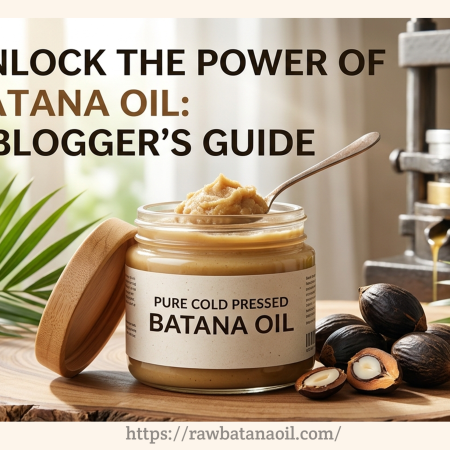
Batana oil comes from the nut of the American palm tree (Elaeis oleifera), native to the rainforests of Honduras. For over 500 years, the Miskito people — often called the “Tawira” or “people of beautiful hair” — have used this oil as their primary hair treatment. It wasn’t marketing. It was just what worked, generation after generation.
When you look at the actual composition of raw, unrefined batana oil, the reason it works for hair elasticity becomes clear. It’s not one ingredient doing the job — it’s a synergy of several powerful compounds working together.
1. Tocopherols (Vitamin E) — The Repair Mechanism
Batana oil has one of the highest naturally occurring concentrations of tocopherols of any plant oil. Tocopherols aren’t just antioxidants. They actively repair oxidative damage inside the hair shaft — the kind caused by heat styling, UV exposure, chemical processing, and even hard water.
When the hair shaft is oxidatively damaged, it loses flexibility. The internal proteins become cross-linked in the wrong way, making strands brittle and prone to breaking. Tocopherols help reverse this process at a molecular level, restoring the hair’s structural integrity and, with it, its ability to flex without snapping.
2. Oleic Acid — The Deep Penetrator
Oleic acid (omega-9) is one of the few fatty acids small enough to actually penetrate the hair cuticle and reach the cortex. Most conditioners and oils simply coat the outside of the strand. Oleic acid goes in.
Once inside, it lubricates the internal protein bonds, making them more flexible and resistant to stress. Think of it like oil in a hinge — it doesn’t make the hinge stronger, but it stops it from cracking under pressure. That internal lubrication is exactly what turns brittle hair into hair that bends, stretches, and holds.
3. Linoleic Acid — The Moisture Retainer
Linoleic acid (omega-6) works on the outer layer — the hair cuticle. It helps repair gaps in the lipid layer that naturally coats each strand, which is what keeps moisture locked inside.
When that lipid layer is compromised — from bleach, heat, or over-washing — the hair loses moisture rapidly throughout the day. Dry hair is rigid hair. Rigid hair breaks. Linoleic acid essentially patches those gaps, helping the strand hold onto moisture for longer and stay pliable throughout the day.
Worth Knowing
The combination of oleic and linoleic acid in batana oil closely mirrors the natural lipid composition of a healthy hair strand. This is why it absorbs so well — the hair recognises it. Unlike heavier oils that sit on top and make hair greasy, batana oil is drawn in because the structure is chemically similar to what’s already there.
How Batana Oil Actively Prevents Breakage
Now that we understand what’s in the oil, let’s talk about what actually happens to your hair when you use it consistently. Because batana oil hair elasticity isn’t just about what it adds — it’s about what it stops.
It Strengthens the Cuticle Layer
The cuticle is the outermost layer of the hair strand — tiny overlapping scales that protect everything inside. When cuticles are raised or damaged, the hair becomes rough, porous, and extremely vulnerable to breakage. Batana oil smooths and seals the cuticle, creating a more uniform surface that reflects light (hello, shine) and resists everyday mechanical damage from brushing, sleeping, and styling.
It Reduces Hygral Fatigue
Here’s something a lot of people don’t know: hair that absorbs too much water too quickly actually becomes weaker. This is called hygral fatigue — the constant swelling and contracting of the hair shaft weakens the protein bonds over time. Batana oil, because of its lipid-sealing properties, slows down water absorption. The hair takes in moisture gradually instead of all at once, which dramatically reduces hygral fatigue and the breakage that comes with it.
It Feeds the Cortex Directly
Most breakage happens because the cortex — the inner core of the strand — has been depleted of proteins and lipids. When that internal scaffolding weakens, the strand collapses under tension. Batana oil’s oleic acid reaches the cortex and essentially replenishes those lost lipids, rebuilding the internal structure that gives hair its bounce and resistance to breakage.
Who Benefits the Most from Batana Oil for Hair Elasticity?
While batana oil works across all hair types, certain people will feel the difference almost immediately.
- Chemically treated hair — bleach, relaxers, and color treatments strip the cortex of lipids and damage the cuticle. Batana oil directly addresses both issues.
- Heat-damaged hair — high-heat tools oxidize the internal proteins and fuse the cuticle scales unevenly. The tocopherols in batana oil target this specific type of damage.
- Natural and curly hair types (3A–4C) — coily textures are naturally more prone to low elasticity because the tight curl pattern creates friction points and makes it harder for natural scalp oils to travel down the strand. Batana oil fills that gap.
- Fine or thinning hair — thin strands have less cortex volume, which means less internal structural support. Regular use of batana oil helps reinforce what’s there.
- Postpartum hair loss — the regrowth phase after postpartum shedding often produces fragile, easily-broken strands. Batana oil supports those new hairs through their most vulnerable stage.
How to Use Batana Oil Specifically for Hair Elasticity
Using batana oil correctly makes a significant difference in results. Here’s what actually works — not just what sounds nice on a label.
The Pre-Shampoo Treatment (Most Effective Method)
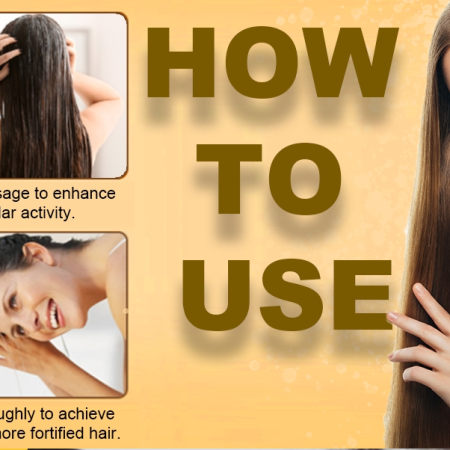
Apply raw batana oil to dry hair before washing, at least 30 minutes before you shampoo. This is called a pre-poo treatment. By coating the strand before it hits water, you control how fast the hair absorbs moisture — preventing that hygral fatigue we talked about. Work it through mid-lengths and ends, which are the oldest and most damaged sections of your hair.
The Overnight Deep Treatment
For seriously compromised elasticity, apply batana oil generously from scalp to ends, cover with a silk bonnet or wrap, and leave overnight. The warmth from your body heat helps the oleic acid penetrate more deeply into the cortex. Wash out in the morning with a gentle, sulfate-free shampoo. Do this once a week for the first month — you’ll notice the difference in how the hair behaves when wet within two to three sessions.
The Leave-In Sealing Method
After washing and while hair is still slightly damp, apply a very small amount of batana oil (the size of a pea, melted between your palms) over your moisturiser or leave-in conditioner. This seals the moisture inside the strand, keeping it flexible throughout the day. Don’t apply to completely dry hair — it won’t absorb properly and will just sit on the surface.
Pro Tip from Experience
Less is more with raw batana oil. A little goes a long way. If your hair feels greasy or heavy, you’ve used too much. Start with a pea-sized amount, melt it in your palms, and add more only if your hair length genuinely needs it. The oil is dense and concentrated — it’s not like a lotion where more means better results.
How Long Before You See Results?
This is the honest answer: real elasticity improvement takes time. You’re not conditioning a surface — you’re rebuilding internal structure. Here’s a realistic timeline most users experience:
- Week 1–2: Hair feels softer and less rough to the touch. Detangling becomes noticeably easier.
- Week 3–4: Wet hair starts to feel more resilient — less breakage in the shower. The “mushy and weak” feeling when wet begins to improve.
- Week 6–8: Visible reduction in breakage. Hair begins retaining more length. Shine improves significantly.
- Month 3+: The elasticity test on a wet strand shows real improvement — hair stretches and returns without snapping.
Consistency is everything. Twice to three times per week gives your hair the regular reinforcement it needs to rebuild properly.
Frequently Asked Questions
Can I use batana oil on low-porosity hair?
Yes, but technique matters. Low-porosity hair resists absorption. Apply the oil to slightly damp hair and use gentle heat — a warm towel wrapped around your hair for 20 minutes helps open the cuticle and allows the oleic acid to penetrate effectively.
Will batana oil make my hair too heavy or greasy?
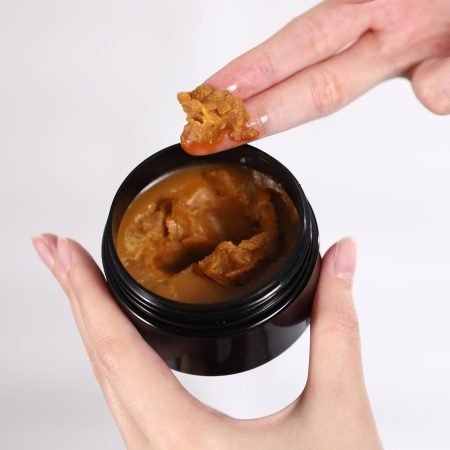
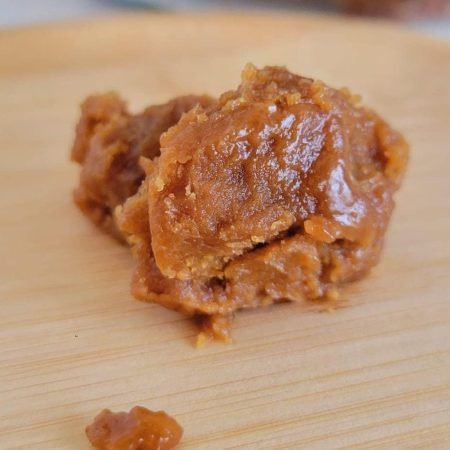
Only if you use too much. Raw batana oil is solid at room temperature but melts quickly with body heat. Use a pea-sized amount for medium-length hair. Because it absorbs into the strand rather than just coating it, it doesn’t leave the same residue as many commercial oils.
Is batana oil better than argan oil for breakage?
They serve different purposes. Argan oil is lighter and excellent for surface shine and frizz control. Batana oil penetrates deeper and contains significantly higher tocopherol concentrations, making it more effective specifically for elasticity and structural repair. For serious breakage, batana oil is the stronger choice.
Can I use batana oil on color-treated hair?
Absolutely. Batana oil contains no harsh chemicals and will not strip or alter hair color. In fact, because color treatments damage the cuticle and cortex heavily, color-treated hair responds especially well to batana oil’s repair properties.
How do I know if the batana oil is genuine and unrefined?
Authentic, unrefined batana oil has a distinctive deep amber-brown color and a strong, earthy, nutty scent — often compared to roasted coffee. If it smells like nothing or looks pale and clear, it’s been refined and most of the beneficial compounds have been removed. Always source from verified suppliers.