- Free Shipping on All Orders -100% Authentic Batana Oil from Honduras

Most hair oils do one thing: sit on the surface and make your hair look shiny for a few hours. Oleic acid does something far more useful — it actually goes inside the strand. And in batana oil, it’s present at levels that most plant oils simply can’t match.”
If you’ve been using hair oils for years and still dealing with dryness, breakage, or hair that just never seems to get stronger — there’s a good chance you’ve been using the wrong kind of oil. Not wrong in quality. Wrong in chemistry.
The vast majority of hair oils — even the expensive, well-reviewed ones — are made up of large, heavy molecules that can’t pass through the hair cuticle. They form a layer on the outside of the strand. That layer has some benefits: it reduces friction, adds temporary shine, and slows moisture evaporation. But it doesn’t repair anything. It doesn’t reinforce the inner structure. It doesn’t change the hair’s behaviour the next day, or the day after that.
Oleic acid is different. And batana oil, sourced raw and cold-pressed from the American palm nut in Honduras, is one of the richest natural sources of it. Understanding why oleic acid penetrates where other compounds can’t — and what it actually does once it’s inside the hair shaft — changes how you think about hair care entirely.
What Is Oleic Acid, and Why Does It Matter for Hair?
Oleic acid is a monounsaturated omega-9 fatty acid. If you’ve heard of the Mediterranean diet, you’ve heard of its most famous source — olive oil is roughly 70–80% oleic acid, which is a big part of why it’s considered so beneficial for cardiovascular health.
In the context of your hair, what matters about oleic acid isn’t its omega-9 classification or its health benefits when consumed — it’s its molecular structure. Specifically, its molecular weight and its ability to interact with the lipids that make up the hair’s own natural structure.
Here’s the key point that most hair care content never explains clearly: the hair shaft is not just a dry protein rod. It contains lipids — fats — throughout its structure. The cuticle surface is coated in a lipid layer. The cortex, the inner core of the strand, contains lipid-rich structures that hold the protein bundles together and give hair its flexibility. These lipids are chemically similar to oleic acid.
That similarity is exactly why oleic acid can penetrate where other compounds can’t. Like dissolves like. Oleic acid moves through the lipid channels in the hair structure the way water moves through pipes — it’s the right shape, the right chemical character, for the pathways that already exist inside the strand.
Understanding the Hair Shaft: A Quick Structural Primer
Before we go deeper on oleic acid penetration, it’s worth spending a moment on what the hair shaft actually looks like internally — because it makes the mechanism much clearer.
Think of a single hair strand like a pencil. The outer layer — the cuticle — is like the paint on the outside: overlapping, scale-like cells that lie flat on healthy hair and lift or chip on damaged hair. Beneath that is the cortex — the thick wooden core — made up of keratin protein bundles held together by a lipid-rich matrix called the cell membrane complex (CMC). At the very centre of some hair types is the medulla, a soft inner core.
The cell membrane complex is crucial and almost never talked about in mainstream hair content. It’s the glue that holds the cortex bundles together. It’s made of lipids. And it’s what oleic acid targets when it penetrates the strand.
Oleic Acid (C18:1)
Omega-9
Monounsaturated. Small enough to pass through the cuticle and CMC. The primary penetrative fatty acid in batana oil. Replenishes internal lipids and lubricates protein bonds.
Linoleic Acid (C18:2)
Omega-6
Polyunsaturated. Works on the cuticle surface, repairing the 18-MEA lipid layer. Works alongside oleic acid to seal moisture and smooth the cuticle from outside in.
Palmitic Acid (C16:0)
Saturated
Larger molecule. Provides surface-level coating and protection. Cannot penetrate into the cortex — works as an external emollient rather than an internal conditioner.
Stearic Acid (C18:0)
Saturated
Solid at room temperature. Found in many hair butters. Provides occlusive sealing on the cuticle surface but does not penetrate or repair internal structure.
Notice the pattern: the penetrative fatty acids — oleic and linoleic — are unsaturated. The surface-level ones are saturated. Most commercial hair oils and butters are dominated by saturated fats. Batana oil is rich in unsaturated fatty acids, particularly oleic acid — which is why its behaviour in the hair shaft is fundamentally different from shea butter, coconut oil blends, or most store-bought treatments.
How Oleic Acid in Batana Oil Actually Penetrates the Hair
Let’s be specific about the mechanism — because this is where oleic acid earns its reputation.
Step One: Moving Through the Cuticle
The cuticle is not a perfect seal. Between the overlapping cuticle cells, there are nanoscale lipid pathways — tiny channels filled with the cell membrane complex. These channels are hydrophobic (they repel water) but oleophilic (they attract oils). Oleic acid, being a lipid, is drawn into these channels. Its molecular size — small for a fatty acid, with a single unsaturated bend in its carbon chain — allows it to move through these pathways efficiently.
Compare this to a molecule like polyquaternium (found in most commercial conditioners) or even a large saturated fat like stearic acid — these molecules are either too large, too polar, or too stiff to enter those lipid channels. They stay outside.
Step Two: Integrating into the Cell Membrane Complex
Once through the cuticle, oleic acid reaches the cortex’s cell membrane complex. This is the lipid-rich matrix that binds the keratin protein bundles together. When hair is damaged — by heat, bleach, UV, or mechanical stress — the lipids in this matrix get oxidised and degraded. The bond between protein bundles weakens. The strand loses cohesion and becomes brittle.
Oleic acid essentially replenishes the CMC. It integrates into the existing lipid matrix, restoring the cohesion between protein bundles. The strand regains internal lubrication — the ability for its protein components to flex against each other without snapping under tension. This is the structural basis of improved elasticity that regular batana oil users report.
Step Three: Reducing Hygral Fatigue
Here’s something specific that oleic acid does that most people have never heard of: it modifies the hair’s water absorption rate. High-porosity hair — hair with a damaged, open cuticle — absorbs water rapidly and in large quantities. That rapid swelling stresses the internal protein bonds, a process called hygral fatigue. Over time, repeated swelling and contracting weakens the strand significantly.
Because oleic acid fills the lipid pathways in the cuticle, it partially reduces the rate at which water enters the strand. The hair absorbs moisture more gradually, which dramatically reduces hygral fatigue. This is why hair treated regularly with batana oil feels stronger when wet, not just when dry — the internal structure isn’t being as severely stressed by each wash.
The Science, Simply Put
When researchers compare oils for hair penetration, they measure how much of the oil ends up inside the strand versus on the surface after application. Oleic acid-rich oils consistently show significantly higher internal uptake than oils dominated by saturated fats. The mechanism isn’t mysterious — it’s molecular compatibility. Oleic acid is chemically similar enough to the hair’s own internal lipids that it’s drawn in and incorporated. Most surface-coating oils are not.
What Oleic Acid in Batana Oil Does That Surface Oils Can’t
This is worth being explicit about, because it changes which hair problems actually get solved.
| Benefit | Surface Oils (Shea, Castor, etc.) | Oleic Acid in Batana Oil |
|---|---|---|
| Reduces surface friction | ✓ Yes | ✓ Yes |
| Temporary shine | ✓ Yes | ✓ Yes |
| Rebuilds internal lipid matrix (CMC) | ✗ No | ✓ Yes |
| Reduces hygral fatigue | ~ Partially | ✓ Yes (internally) |
| Improves elasticity structurally | ✗ No | ✓ Yes |
| Reduces breakage from within | ✗ No | ✓ Yes |
| Carries other actives (Vitamin E) deeper | ✗ No | ✓ Yes |
| Cumulative improvement over time | ✗ Minimal | ✓ Yes |
That last row matters more than any other. Surface oils create a temporary effect. Every time you wash, you remove the coating and start over. Oleic acid integration into the CMC is not removed by washing — the internal structure has actually changed. This is why consistent batana oil users report that their hair keeps improving over months rather than reverting the day after washing.
Why Batana Oil Is One of the Best Natural Sources of Oleic Acid for Hair
Oleic acid is found in many plant oils. So why is batana oil particularly effective for hair? The answer has three parts.
1. Oleic Acid Concentration
Raw batana oil contains a high concentration of oleic acid — significantly higher than most oils people commonly use for hair. Coconut oil, for example, is dominated by lauric acid (a saturated fat). Argan oil has a decent oleic acid content, but batana oil’s unrefined form preserves that concentration fully. When you apply batana oil, you’re delivering more active penetrating compound per application than most alternatives.
2. The Tocopherol Synergy
This is something unique to batana oil and worth understanding. Tocopherols — the Vitamin E compounds present in high concentrations in batana oil — are fat-soluble. They cannot penetrate the hair shaft alone. They need a lipid carrier. Oleic acid is that carrier. When oleic acid moves through the cuticle channels into the cortex, it takes the tocopherols with it.
This means the Vitamin E in batana oil isn’t just sitting on the surface providing antioxidant protection to the cuticle — it’s being delivered into the cortex, where oxidative damage from heat and chemicals actually occurs. This synergy between oleic acid and tocopherols is one of the primary reasons batana oil’s results are more significant than you’d expect from either compound alone.
3. Cold-Pressed Preservation
Oleic acid is relatively stable, but the extraction process still matters. Batana oil extracted by the Miskito people using traditional cold-press methods preserves the full lipid profile exactly as it exists in the nut. Refining, heating, or chemical extraction alters the fatty acid ratios and degrades the synergistic compounds. Cold-pressed, unrefined batana oil delivers the complete, unaltered oleic acid content alongside its natural synergists.
Important Context
Olive oil is also high in oleic acid, but it’s too heavy for most hair types and leaves significant residue. The distinction with batana oil is that its specific fatty acid balance — oleic acid alongside linoleic acid and tocopherols, at the proportions found in the raw, cold-pressed form — creates a lighter, more balanced penetration profile that doesn’t leave hair heavy or greasy when used correctly.
Which Hair Types and Problems Respond Best to Oleic Acid?
Oleic acid is particularly powerful for certain hair situations. Understanding where it makes the most difference helps you use batana oil with realistic expectations.
- Medium to high porosity hair — Hair with open or damaged cuticles absorbs oleic acid readily and benefits most from internal lipid replenishment. If your hair soaks up product quickly and dries fast, oleic acid is exactly what it needs.
- Chemically treated hair — Bleach, colour, and relaxers strip the cell membrane complex aggressively. Oleic acid directly replenishes the lipid matrix that these processes degrade.
- Heat-damaged hair — High heat oxidises the CMC lipids. Oleic acid, carried alongside antioxidant tocopherols, both restores those lipids and protects them from further oxidation.
- Coily and type 4 natural hair — The tight curl pattern of type 4 hair creates natural friction between coils, and the structure makes it harder for scalp oils to travel down the strand. Oleic acid in batana oil compensates for this natural lipid deficit along the shaft.
- Fine, limp hair losing length — Fine hair has less cortex volume, so CMC degradation hits harder proportionally. Internal lipid replenishment via oleic acid gives fine strands significantly more structural resilience.
- Hair that won’t retain moisture — If you moisturise daily but your hair is dry again within hours, you likely have porosity issues. Oleic acid’s partial sealing of cuticle lipid channels significantly improves moisture retention.
What About Low Porosity Hair?
Low porosity hair has tightly closed cuticles that resist absorption. Oleic acid still penetrates — it doesn’t need the cuticle to be wide open, just the lipid channels to be accessible. But the process is slower and benefits significantly from gentle heat during application. A warm towel wrap or sitting under a hooded dryer for 20 minutes after applying batana oil helps dilate the cuticle slightly and improves oleic acid uptake considerably. Don’t skip batana oil if you have low porosity hair — adjust your technique instead.
How to Apply Batana Oil for Maximum Oleic Acid Penetration
Technique changes results meaningfully here. Because you want the oleic acid inside the strand, not just on it, application method matters more than with surface-coating oils.
Start with slightly damp or dry hair
Unlike water-based products, batana oil works better on dry or just-towel-dried hair rather than soaking wet hair. Wet hair is already swollen — the cuticle channels are distended with water, leaving less room for lipid absorption. Towel dry first, then apply.
Melt it properly before applying
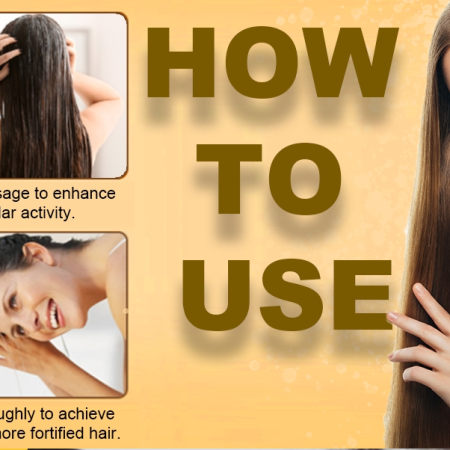
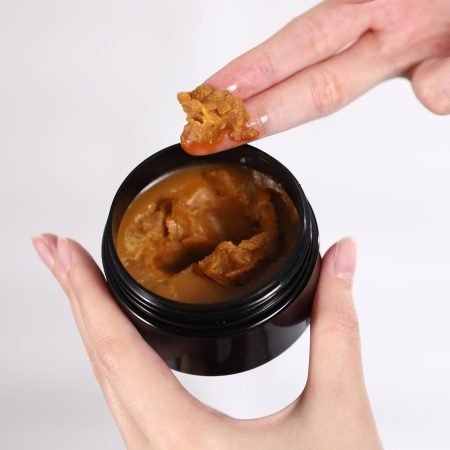
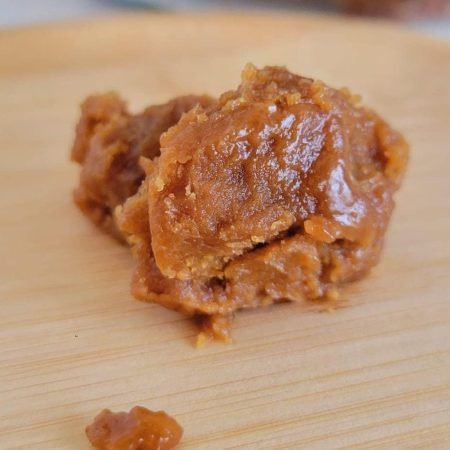
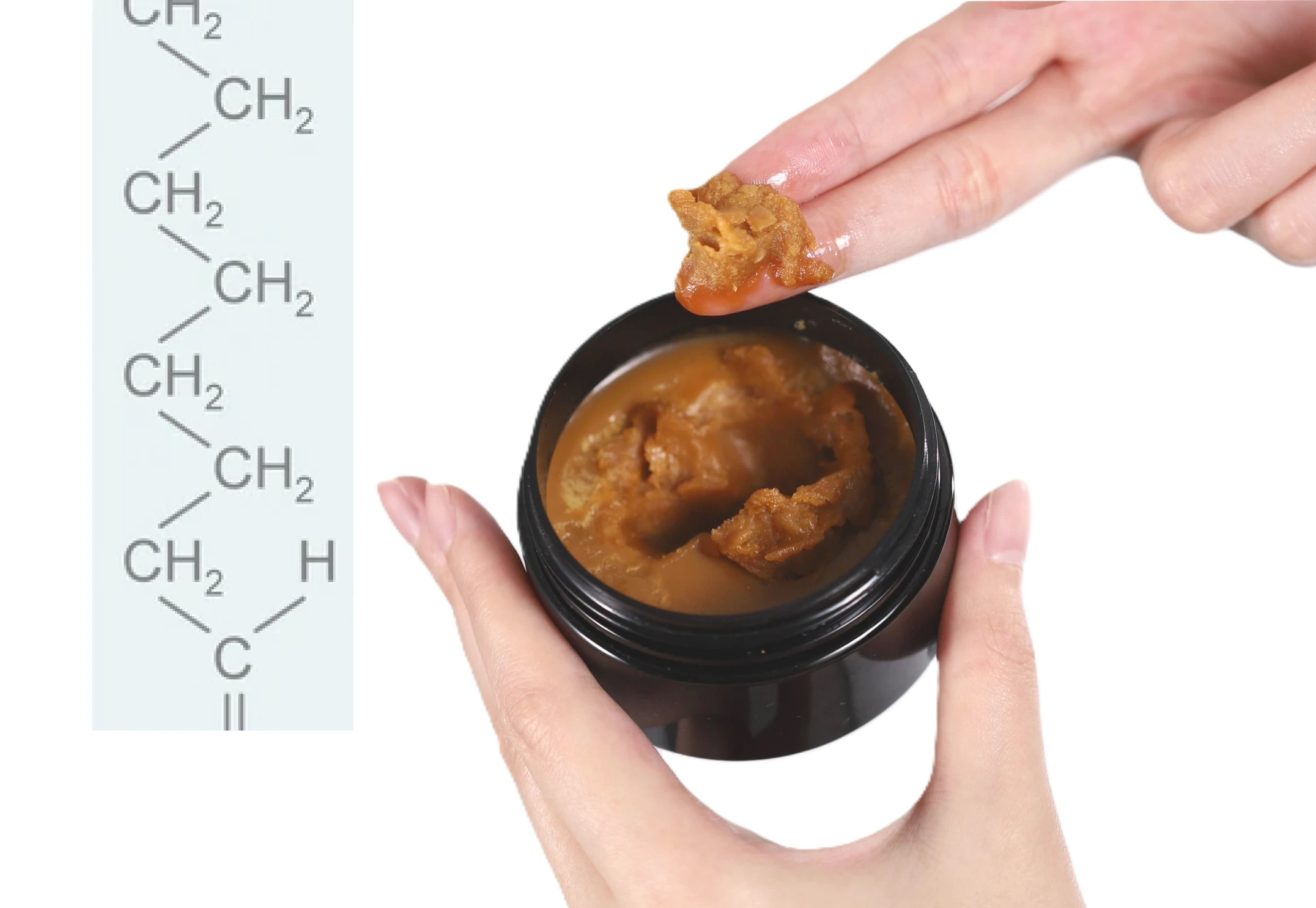
Raw batana oil is semi-solid at room temperature. Take a small amount — start with less than you think you need — and rub it between your palms for 20–30 seconds until it becomes liquid. This matters: solid batana oil will sit on the surface. Melted batana oil penetrates. Never microwave it — body heat is the correct temperature.
Apply mid-lengths to ends first
The oldest parts of your hair — the mid-shaft and ends — have the most CMC degradation. Start there. Work the melted oil through with your fingers, pressing it into the strand rather than just coating the surface. Then, if you’re doing a scalp treatment, apply a separate small amount to the scalp with massaging motions.
Add gentle heat for deeper penetration
Wrap your hair in a warm towel (run it under hot tap water and wring it out) for 20–30 minutes. The warmth causes the cuticle to expand very slightly, improving lipid channel accessibility. For severely damaged hair, doing this step regularly makes a measurable difference in how deeply the oleic acid penetrates.
Leave in as long as possible
Oleic acid penetration is not instant — it takes time for the molecules to move through the lipid channels. A 30-minute treatment is adequate. An overnight treatment is significantly better for damaged hair. Cover with a silk bonnet to protect your pillowcase and to keep the oil from evaporating.
Wash out with a sulphate-free shampoo
Standard sulphate shampoos can strip some of the oleic acid back out of the hair, particularly from the cuticle surface. Use a gentle, sulphate-free formula. You want to remove the excess surface oil without stripping what’s been absorbed into the strand.
Realistic Results: What to Expect and When
Because oleic acid works on internal structure rather than surface coating, results build over time rather than appearing after one application. Here’s an honest timeline based on consistent use two to three times per week.
Week 1–2
Surface smoothing and easier detangling
The linoleic acid component begins repairing the outer cuticle lipid layer. Hair feels softer and smoother. Combing resistance decreases noticeably. Shine increases as cuticle scales begin to lie flatter.
Week 3–4
Structural improvement becomes noticeable
The oleic acid has been integrating into the CMC with each treatment. Hair feels more resilient when wet — less mushy, less prone to stretching and snapping. Breakage during washing and combing reduces.
Week 6–8
Moisture retention dramatically improves
The cuticle lipid channels are substantially replenished. Hair holds moisture for longer after washing — the dryness-by-midday problem many people experience starts to resolve. Length retention begins improving.
Month 3+
Compounding structural benefits and new growth quality
CMC lipid levels across the treated sections have been consistently maintained. New growth coming from the scalp — where the Vitamin E delivered by oleic acid has been improving follicle health — shows visibly better strength and elasticity than older sections.
Frequently Asked Questions
Does oleic acid make hair greasy or weigh it down?
Not when used correctly. The key is quantity — batana oil is concentrated and dense. A pea-sized amount melted between the palms is enough for medium-length hair. Because oleic acid actually penetrates rather than just coating the surface, less product is needed than with surface-coating oils. If your hair feels heavy or greasy after using batana oil, you’ve applied too much.
Is batana oil better than argan oil for penetration?
Both are oleic acid-rich oils, and both penetrate the hair shaft. The differences are in the supporting compounds. Batana oil contains significantly higher concentrations of tocopherols, which are carried deeper into the cortex by the oleic acid and provide antioxidant repair that argan oil, with its lower tocopherol content, cannot match at the same level. For surface shine and light conditioning, argan oil is excellent. For structural repair and long-term hair health, batana oil’s complete nutritional profile makes it more comprehensive.
Can I use batana oil as a daily leave-in?
A very small amount can be used as a daily sealant — the size of a rice grain melted between the palms and applied to ends only. However, full treatments (scalp to ends, 30+ minutes) should be done two to three times per week rather than daily. Over-applying any penetrating oil can eventually disrupt the protein-moisture balance in the hair if the cortex becomes over-saturated with lipids.
Why does batana oil smell so strong? Does the smell affect how it works?
Authentic raw batana oil has a pronounced earthy, nutty, smoky aroma — often compared to roasted coffee or dark chocolate. This smell comes directly from the cold-press extraction of the American palm nut and is a reliable indicator of purity. Refined batana oil has had this smell removed through processing — along with much of the tocopherol content and some of the fatty acid profile. The smell fades after washing. If your batana oil has no smell, it’s been processed and will not deliver the same penetrative results.
Does oleic acid in batana oil work on scalp skin as well as hair?
Yes, and meaningfully so. The scalp is skin, and oleic acid penetrates skin’s lipid barrier in the same way it penetrates the hair’s cuticle channels. Applied to the scalp, the oleic acid in batana oil helps restore the skin’s own lipid barrier — reducing dryness, flaking, and inflammation. This creates a healthier follicle environment, which directly impacts the quality and strength of the hair growing from it. Many users find that scalp symptoms like dryness and itching reduce significantly within the first two to three weeks of regular use.