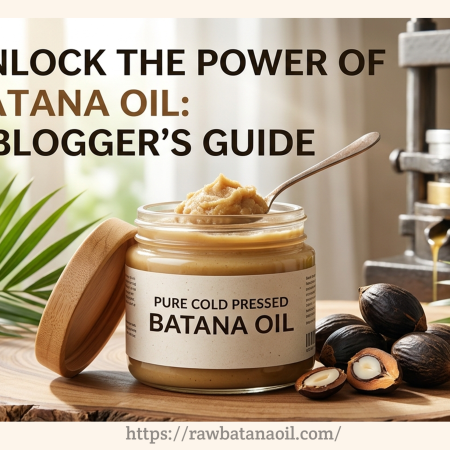
Finding a noticeable clump of hair in the shower drain — more than you remember from a few months ago is unsettling. The first instinct is usually to search for a product that will make it stop. Batana oil comes up a lot in that search, and it’s worth answering honestly: it can help with certain kinds of shedding, but not all shedding is the same, and knowing which kind you have changes the entire answer.
Losing Hair Every Day Is Normal — Here’s the Line
Before anything else, some context that gets left out of most “stop hair loss” articles: losing 50 to 100 hairs a day is completely normal. At any given time, roughly 85–90% of your scalp hair is actively growing, while the remaining 10–15% is in a resting phase, waiting to shed and be replaced. That turnover is just how hair works — it’s not a sign of anything wrong.
Excessive shedding is different. This is when a noticeably larger share of your hair shifts into the resting phase at once, or that resting phase releases in a rush. When this happens, the medical term is telogen effluvium — and it can push shedding up to 300 hairs a day, sometimes resulting in 30–50% more scalp hair loss than usual over a period of weeks or months.
The good news: telogen effluvium is almost always temporary and non-scarring. It doesn’t destroy follicles, and hair typically grows back once the underlying trigger resolves.
What Actually Causes Excessive Shedding
Telogen effluvium usually shows up two to four months after one of these triggers:
- Physical stress — illness with high fever, surgery, significant weight loss, or a major injury
- Emotional stress — grief, job loss, divorce, or another major life event
- Childbirth — postpartum shedding typically peaks around three to four months after delivery
- Hormonal shifts — starting or stopping birth control, thyroid changes, menopause
- Nutritional gaps — low iron, low protein, or crash dieting
- Certain medications — including some blood pressure drugs, antidepressants, and retinoids
Because the shedding shows up months after the actual trigger, people are often confused about the cause — the stressful event feels long past by the time hair starts coming out in the shower.
Where Batana Oil Fits Into This Picture
Batana oil isn’t going to reverse a hormonal shift or replace iron your body is missing — no topical oil can do that. But it can meaningfully support two things that matter during a shedding episode:
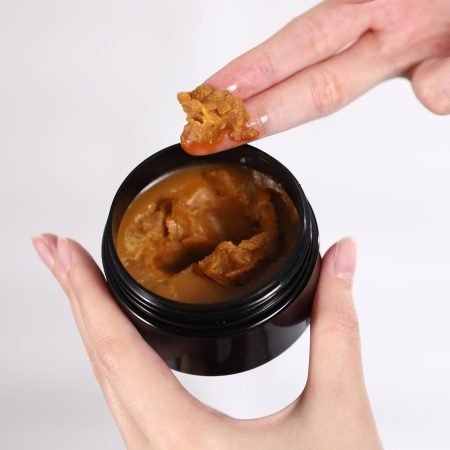
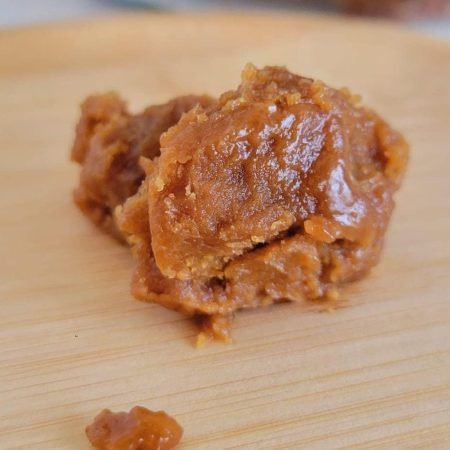
1. Scalp condition. Batana oil is cold-pressed from the nut of Elaeis oleifera and is rich in oleic and linoleic acid, along with tocopherols (vitamin E) and carotenoids. These compounds help restore the scalp’s lipid barrier, calm dryness and flaking, and reduce the oxidative stress that can add extra strain to a scalp already dealing with a disrupted hair cycle. A dry, irritated, or inflamed scalp is not a cause of telogen effluvium on its own, but it’s an added stressor that doesn’t help, and batana oil directly targets it.
2. Breakage reduction. Some of what looks like “shedding” is actually breakage — hair snapping partway down the strand rather than falling out from the root. Batana oil’s fatty acid profile coats and strengthens the hair shaft, which can reduce this specific kind of hair loss even though it doesn’t touch the follicle cycle itself. If your shedding looks like short broken pieces rather than full strands with a small white bulb at the end, breakage (not telogen effluvium) may be a bigger part of what’s happening — and that’s exactly the kind of hair loss oils are best at addressing.
3. Scalp circulation, through the massage itself. Massaging any oil into the scalp for a few minutes increases local blood flow. That circulation boost is one of the more consistently supported non-drug interventions for scalp health, and it’s a habit batana oil naturally builds into its application routine.
What batana oil does not do: stop a hormonal or nutritional trigger, treat androgenetic (pattern) hair loss, or regrow hair from a follicle that’s scarred or genuinely dead. If your shedding is severe, sudden, or paired with visible bald patches rather than diffuse thinning, that’s a conversation for a dermatologist, not just a routine change.
How to Tell If Your Shedding Is the Kind Batana Oil Can Help With
A simple self-check, sometimes called the pull test: gently pull a small section of hair (about 20–40 strands) from root to tip. Losing more than 4–6 hairs is considered a positive result and suggests active shedding.
- Diffuse thinning all over, with a recent life stressor, illness, or postpartum timeline → likely telogen effluvium, and a strong candidate for batana oil as part of a supportive routine.
- Hair breaking mid-shaft, especially with a history of heat styling, coloring, or tight styles → likely breakage, another strong candidate for batana oil.
- Gradual thinning at the crown or a receding hairline over years, with a family history of hair loss → likely androgenetic alopecia, where batana oil can support scalp and strand health but shouldn’t replace a conversation about clinically proven treatments.
- Patchy, well-defined bald spots → possibly alopecia areata or another condition that needs a dermatologist’s evaluation, not a home remedy.
How to Use Batana Oil for Shedding
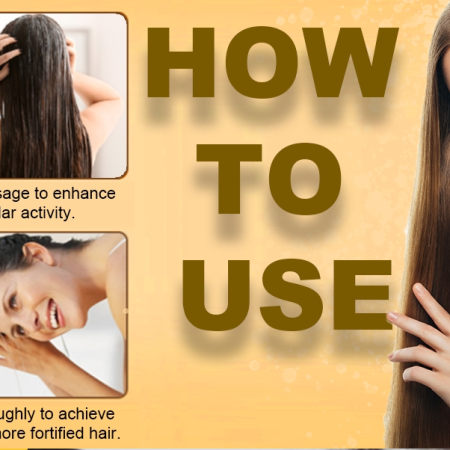
- Warm a small amount of 100% pure batana oil between your palms.
- Massage into the scalp for 2–3 minutes, focusing on areas where shedding feels heaviest, to support circulation.
- Work the remainder through mid-lengths and ends, where breakage is most likely to occur.
- Leave on for at least 30 minutes, or overnight, then rinse with a sulfate-free shampoo.
- Repeat 2–3 times weekly and give it 8–12 weeks before judging results — telogen effluvium resolves on its own timeline, and no product speeds up the underlying biology.
For a complete routine, see our step-by-step application guide.
Frequently Asked Questions
Can batana oil stop hair shedding completely? Not on its own. Batana oil can support scalp health and reduce breakage-related hair loss, but it can’t stop shedding caused by an internal trigger like a hormonal shift, illness, or nutrient deficiency. Addressing that underlying cause, alongside a supportive scalp routine, is what actually resolves telogen effluvium.
How much hair shedding is normal, and when should I worry? Losing 50–100 hairs a day is normal. If you notice significantly more than that, especially in a sudden increase, or if it’s accompanied by visible thinning or bald patches, it’s worth checking with a dermatologist to identify the cause.
How long does postpartum or stress-related shedding last? Telogen effluvium triggered by childbirth, illness, or stress typically resolves within 6 to 12 months as the hair cycle returns to normal, though the shedding itself usually peaks a few months after the triggering event.
Is batana oil safe to use during a shedding episode? Yes, generally. Batana oil is a natural, unrefined oil with a long history of topical use and no documented major adverse effects. As with any new product, a patch test is a reasonable precaution, especially if you have a tree nut allergy.
Should I use batana oil instead of seeing a doctor about my hair loss? No. Batana oil is a reasonable addition to a hair-care routine, but if your shedding is sudden, severe, or paired with other symptoms (fatigue, weight changes, patchy bald spots), a doctor can rule out or treat an underlying cause that a topical oil can’t address.