Thicker hair is one of those phrases that means three different things depending on who’s saying it, and that mix-up is exactly why batana oil’s reputation for thinning hair gets confusing fast. So before answering whether it works, it’s worth being precise about what you’re actually asking for.
Thicker Hair Is Actually Three Different Things
When people say they want thicker hair, they usually mean one of these:
- Hair density — the number of strands per square centimeter of scalp. This is set by how many follicles you have and how many are actively producing hair at any given time.
- Hair shaft diameter — the actual width of an individual strand. This is fixed by the size of the follicle it grew from, and it’s determined the moment that strand forms, largely by genetics.
- Perceived fullness — how thick your hair looks and feels day to day, which depends heavily on breakage, dryness, and how much of your hair actually survives long enough to add visual volume.
Here’s the part that matters most: once a strand of hair has grown out of the follicle, it’s biologically finished — it cannot get wider. A cosmetic chemist can’t emphasize this enough: the hair shaft is made of dead, keratinized cells, and no topical product changes the diameter of hair that’s already grown out. That includes batana oil.
So if does batana oil thicken strands means will it widen the diameter of each existing hair, the honest answer is no. Nothing topical does that.
Where Batana Oil Actually Makes a Difference
That doesn’t mean batana oil is useless for thinning hair — it just means its real value is in the second and third categories above, not the first.
1. It reduces breakage, which protects perceived volume. A huge share of what people call “thinning” is actually hair snapping off mid-shaft from dryness, heat styling, or chemical processing — not hair falling out from the root. Batana oil is roughly 50–65% oleic acid, a fatty acid small enough to penetrate the hair shaft and reduce the protein and moisture loss that leads to this kind of breakage. Hair that isn’t snapping off retains its length and volume, which is where a lot of the “my hair looks thicker” effect after weeks of use actually comes from.
2. It coats and swells the cuticle, adding real (if temporary) volume per strand. Oils that can penetrate the hair shaft — as opposed to oils that just sit on the surface — reduce the repeated swelling and shrinking that happens every time hair gets wet and dries out, a cycle known as hygral fatigue. Less of that cycle means a smoother cuticle, and a smoother, better-hydrated strand reads as visually fuller and glossier, even though its actual diameter hasn’t changed.
3. It supports the scalp environment those follicles are working in. Batana oil’s vitamin E (tocopherol) and carotenoid content offer antioxidant protection against oxidative stress, a factor that can accelerate follicle aging over time. A dry, flaky, or irritated scalp isn’t a direct cause of most thinning, but it’s an added stressor, and calming it removes one more thing working against your hair.
4. The massage habit built into using it supports circulation. Massaging any oil into the scalp for a few minutes increases local blood flow. Better circulation means more efficient nutrient delivery to the follicles that are actively growing — this is one of the more consistently observed non-drug factors in scalp health, independent of which oil you use.
Put together: batana oil supports the conditions that let your existing hair look and feel fuller, and it protects new growth as it comes in. It doesn’t create new follicles, and it doesn’t widen strands that have already grown out.
What Batana Oil Can’t Fix — and What Can
If your thinning is driven by one of the following, batana oil can be a helpful supporting habit, but it isn’t the primary answer:
- Androgenetic (pattern) hair loss — genetically sensitive follicles gradually shrinking due to DHT sensitivity. This calls for clinically proven treatments like minoxidil or finasteride, ideally started early and discussed with a dermatologist. An oil cannot block DHT or reverse advanced follicle miniaturization.
- Hormonal or nutritional causes — thyroid changes, iron deficiency, postpartum shifts. These need to be identified and addressed at the source (often with bloodwork and a doctor’s input), not treated topically.
- Scarring or autoimmune conditions — these require medical diagnosis and treatment; no oil reverses follicle scarring.
If your thinning is more about texture, breakage, dryness, or general strand health rather than a diagnosed medical cause, batana oil is squarely in its wheelhouse.
How to Use Batana Oil for the Fullest Possible Results
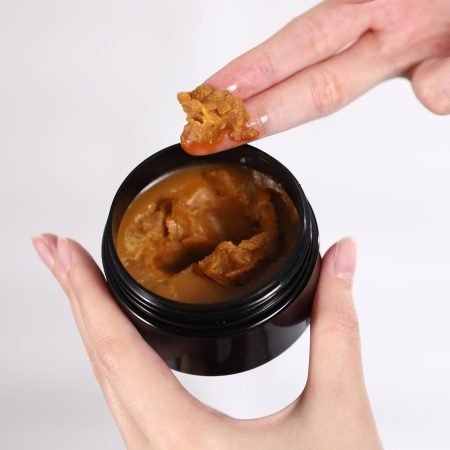
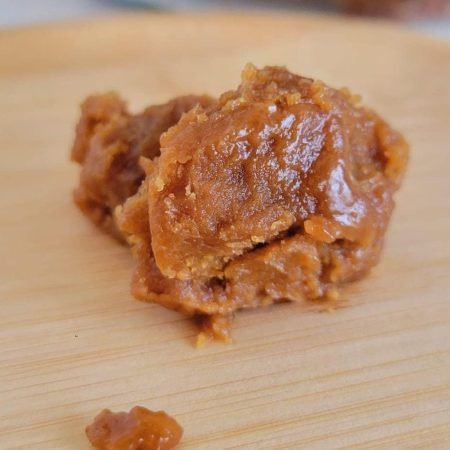
- Warm a small amount of 100% pure batana oil between your palms until it melts.
- Massage into the scalp for 2–3 minutes to support circulation, focusing on areas that feel thinner.
- Work the rest through your mid-lengths and ends, where breakage does the most visible damage to perceived thickness.
- Leave on for at least 30 minutes, or overnight, then rinse with a sulfate-free shampoo so you’re not stripping the benefit right back out.
- Use 2–3 times weekly, consistently, for at least 8–12 weeks. Reduced breakage and better texture show up first; any change in how full your hair looks builds gradually from there.
For the complete routine, see our step-by-step application guide.
Frequently Asked Questions
Does batana oil actually increase the diameter of each hair strand? No. Once hair has grown out of the follicle, its diameter is fixed and can’t be widened by any topical product, batana oil included. What batana oil can do is reduce breakage and improve the strand’s texture and hydration, which makes existing hair look and feel fuller.
Can batana oil reverse genetic thinning or pattern baldness? Not on its own. Pattern hair loss is driven by genetically sensitive follicles shrinking in response to hormones like DHT. Batana oil can support scalp and strand health alongside a treatment plan, but it isn’t a substitute for clinically proven options like minoxidil, especially if thinning is caught early.
Why does my hair look thicker after using batana oil for a few weeks? This is usually the result of less breakage (so more of your existing hair stays intact and adds visible volume) plus a smoother, better-hydrated cuticle that reflects light better and feels fuller to the touch — not an actual change in strand diameter or follicle count.
How long before batana oil shows a visible difference in thinning hair? Texture and reduced breakage are often noticeable within a few weeks. Any real difference in overall fullness typically takes 8–12 weeks of consistent use, since it depends on retaining hair growth over that period rather than an immediate effect.
Is batana oil worth using if I have diagnosed pattern hair loss? It can be a reasonable addition to a broader treatment plan, supporting scalp condition and reducing breakage, but it shouldn’t replace a dermatologist-guided treatment for a diagnosed condition.
The Bottom Line
Batana oil won’t make an individual strand of hair physically wider, and no honest source should tell you it will. What it realistically does for thinning hair is protect what you already have — less breakage, better hydration, a calmer scalp — which adds up to hair that looks and feels noticeably fuller over time. If your thinning has a specific medical cause, pair batana oil with the right diagnosis and treatment rather than expecting it to carry the job alone.
Ready to give it a try? Shop our 100% pure, cold-pressed batana oil, sourced directly from Miskito communities in Honduras.